

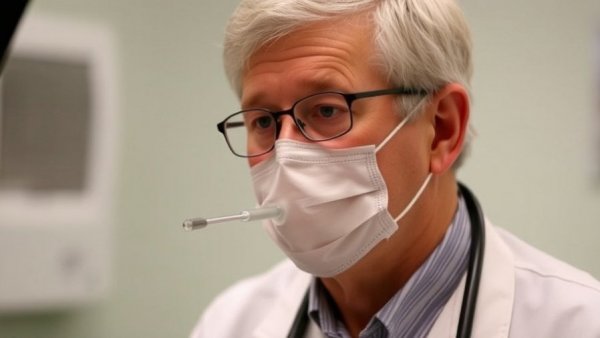
Confusion During Procedures: A Hidden Health Crisis
In a shocking incident that reveals serious underlying issues in the medical field, two veteran endoscopists experienced sudden confusion during procedures. Both incidents, documented in a report by Mitchell Cappell in the World Journal of Gastroenterology, highlight an unsettling reality: even the most experienced medical professionals can falter when faced with health crises.
The Case of the Misguided Endoscopists
During a routine upper endoscopy, one seasoned gastroenterologist mistook stomach polyps for colon polyps while seemingly unable to use the endoscope correctly. His baffling behavior triggered the endoscopy nurse to step in and report the situation to her supervisor. The ensuing emergency room visit revealed that the doctor was suffering from a kidney stone creating a blockage in his urinary tract, compounded by a severe urinary infection and dehydration. After receiving medical intervention, he returned to performing endoscopies ten days later without lasting effects.
On a similar note, a middle-aged endoscopist also confused simple procedural landmarks, believing he was in the small intestine while still in the stomach. His disorientation was attributed to a mix of diazepam and alcohol consumption, worsened by dehydration. Fortunately, he too recovered swiftly after being observed in the hospital.
A Call for Vigilance: Nurses as the First Responders
These incidents underline the critical role that endoscopy nurses play as frontline defenders in healthcare. By promptly recognizing signs of confusion in their superiors, they acted decisively, ensuring patient safety in potentially dangerous situations. Healthcare teams must cultivate an environment where all staff members feel empowered to speak up. This scenario serves as a reminder that communication and vigilance are crucial in any healthcare setting, particularly in high-stakes specialties like gastroenterology.
The Link Between Health and Performance
This phenomenon isn't isolated; it raises broader questions regarding health factors that impact performance among medical professionals, especially in demanding environments. The stress associated with long hours, high patient loads, and the pressure to perform flawlessly can take a toll on even the most seasoned physicians. Recognizing early symptoms of health issues—be it dehydration, medication interactions, or temporary mental lapses—could mitigate risks not only for the physicians but also for their patients.
Why Medical Professionals Must Prioritize Wellness
The takeaway from these episodes is profound: healthcare workers must prioritize their own well-being. Implementing systems for regular health assessments, fostering work-life balance, and encouraging open discussions about health challenges can cultivate a healthcare environment focused on both patient and practitioner wellness.
Conclusion: Protecting Patients Starts with Healthy Providers
When we think about patient care, it’s easy to forget the health of the caregivers themselves. Systems must be in place to ensure that medical professionals are fit to serve. If they aren't, they must feel safe to step back and seek help. The health of a healthcare provider isn't just a personal concern; it's a direct reflection of the safety and quality of care delivered to patients. Let’s foster a culture where health comes first—because at the end of the day, even the best among us must remember the principle: first, do no harm.




Write A Comment