
cropper
Pulse On Wellcare
  • Home
  • Categories
    • Healthcare
    • Trends
    • Insights
    • Southwest
    • Strategies
    • Prevention
    • Lifestyle
    • Mental Health
    • Preventative Care
    • Nutrition & Meal Planning
    • Telemedicine Access
    • Workplace Wellness
    • Wellness Tips
  • Events
  • Healthy Aging
November 04.2026
2 Minutes Read

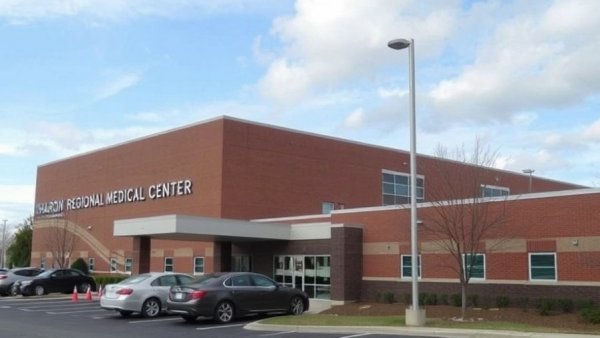
Sharon Regional Medical Center's Financial Struggles: What Patients Should Know

Sharon Regional Medical Center Pauses Inpatient Care After Two Missed Payrolls, Keeps Its Emergency Room Open

Sharon Regional Medical Center Faces Challenges Amid Payroll Struggles

Sharon Regional Medical Center, a healthcare lifeline in western Pennsylvania, has hit a significant roadblock by pausing its inpatient services following two consecutive missed payrolls. Employees, who have already faced late paychecks multiple times, are understandably concerned about the future of their workplace and the impact on patient care. Despite this unsettling situation, the emergency department remains operational, although patients requiring extensive medical attention may need to be stabilized and transferred to other facilities. This situation adds undue stress for families, many of whom are now left scrambling to find alternative care options.

The Broader Impact on Community Health Services

The closure of inpatient services at Sharon Regional is particularly troubling for residents of Sharon, Hermitage, and the Shenango Valley. Previously, this facility was the only hospital in the area providing crucial services such as cardiac catheterization and inpatient child psychiatry. The lack of inpatient beds means that sick patients will have to be transferred elsewhere, often complicating what could already be a daunting medical emergency. This development underscores the hospital's dual role as a community health service and a crucial support system for families grappling with medical crises.

Financial Instability Raises Concerns for Patient Care

The financial instability of Sharon Regional is far from new; in 2025, the hospital reopened under Tenor Health Foundation after facing bankruptcy issues, accumulating approximately $5.9 million in federal and state tax liens. Efforts to secure funding for payroll have been ongoing, as indicated by recent statements from CEO Peter Bastone. The hospital had hoped to sort out its financial situation shortly, but reliance on community support — to the tune of $10 million — has spotlighted its precarious position.

The Role of State Oversight in Ensuring Patient Safety

With potential ramifications for patient safety at stake, Pennsylvania state officials have been closely monitoring the hospital's situation. State Department of Health inspectors are allegedly conducting routine checks to ensure compliance with safety regulations. Should further deterioration occur, officials stand ready to intervene to protect patient well-being. This demonstrates not only the state's commitment to healthcare quality but also highlights the excessive burden that local hospitals face amid financial pressures.

The Path Forward: Next Steps for Sharon Regional

As Sharon Regional navigates these turbulent waters, multiple stakeholders are urging the hospital's leadership to explore all available options to secure its future. The community wants more transparency and reassurance that patient care will not be compromised. It's crucial now more than ever for the hospital to engage with both its workforce and the surrounding community to rebuild trust and provide clarity about its operational status moving forward.


Trends

0 Views

0 Comments

Write A Comment

*
*
Please complete the captcha to submit your comment.
Related Posts All Posts
11.03.2026

Is the EPA's Assurance to East Palestine Residents Supported by Data?

Update The EPA's Oversight: A Critical Review of Public Safety AssurancesIn the wake of the devastating Norfolk Southern train derailment in February 2023, the Environmental Protection Agency (EPA) has found itself under scrutiny. As the agency’s inspector general announced a review into the adequacy of its data supporting public assurances about safety in East Palestine, Ohio, residents are left grappling with lingering concerns about their health and environment. The inquiry, initiated on October 27, promises to address whether the EPA's statements regarding the absence of toxic chemical hazards were backed by sufficient evidence.Background on the Incident: What Happened?The train derailment, resulting from an overheated wheel bearing, unleashed a torrent of controversy, particularly concerning the management of hazardous materials like vinyl chloride. After the incident, crews vented and ignited this toxic chemical, allowing a plume of smoke to wash over East Palestine. Critics immediately raised alarm bells, questioning the necessity of such actions and the EPA’s delayed testing for dangerous substances such as dioxins, which can emerge from burning vinyl chloride.Public Trust on the Line: The Impact of Delayed TestingPublic confidence is essential for any governmental agency, but for many residents in the affected areas, that trust has eroded significantly. The inspector general’s review is poised to delve into complaints from citizens who felt the EPA's assurances were more about public relations than public health. Testing experts suggest that the EPA’s communication may have obscured compound risks, particularly when residents were exposed to mixtures of hazardous substances rather than isolated chemicals. This collective exposure complicates the understanding of potential health risks, making it a pivotal concern in this ongoing discussion.Community Voices: Ongoing Fears and FrustrationsResidents like Jami Wallace have taken proactive measures to advocate for transparency and better testing protocols. With more than 80 reports of cancer in the area, Wallace’s insistence on accountability reveals a community striving for acknowledgment and action. “If nothing else, at least we’re getting attention again,” Wallace insists, emphasizing the dual struggles of health risks and financial relief.The Bigger Picture: Financial Consequences and Legal ComplicationsAs the EPA is embroiled in this review, the economic implications of the derailment are equally troubling. Norfolk Southern has faced intense legal scrutiny, culminating in a $600 million class-action settlement. Yet, most of these funds are currently tied up in legal red tape, preventing timely aid for affected families. This delay compounds the anxiety surrounding health and safety, creating a critical intersection between environmental and economic recovery for East Palestine.Looking Ahead: The Role of Government AccountabilityThis review functions as more than just a reckoning for the EPA; it poses critical questions about the agency's role and responsibilities in safeguarding public health. With the community yearning for answers, the results of this inquiry may set a precedent for future responses to environmental disasters. It highlights the importance of transparency and communication from governmental agencies, urging them to uphold their commitments to the communities they serve. In conclusion, the EPA's ongoing review is not just about assessing evidence; it’s about restoring public trust and ensuring that communities like East Palestine are never left in the dark again. The outcome will be crucial in shaping the future of environmental safety protocols and the legitimacy of governmental assurances when crises occur.

11.02.2026

Jessie J Teaches Us About Healing After Breast Reconstruction Surgery

Update Jessie J's Inspiring Recovery Journey: A Glimpse into Healing Jessie J, the renowned British singer, continues to inspire many with her journey of recovery following her second breast reconstruction surgery after grappling with breast cancer. Recently, she shared a heartfelt update on her social media, offering fans a glimpse into her healing process more than a year after her diagnosis. The Role of Reconstruction in Breast Cancer Care Breast reconstruction is an integral part of breast cancer recovery for many women. Unlike the mastectomy, which involves the removal of breast tissue, reconstruction aims to restore the breast's shape and appearance. This process may require multiple surgeries depending on patient preferences, the techniques used, and individual circumstances like the need for radiation treatment. The American Cancer Society notes that breast reconstruction can be performed using implants or tissue from another part of the body. Some patients may need temporary tissue expanders to prepare for a permanent implant. Jessie J’s surgeries attest to the fact that the journey to recovery is often multifaceted, highlighting the significant physical and emotional elements at play. Unpacking the Recovery Experience Recovery from breast reconstruction involves more than just the surgical procedure itself; it encompasses a range of physical, emotional, and social dynamics. Symptoms such as soreness, swelling, fatigue, and psychological adjustments are common. Each woman's journey is unique, with recovery dependent on the procedures performed and general health conditions. Jessie has candidly shared her experiences, including moments with her young son, amid the healing process. By doing so, she not only personalizes the experience but sheds light on the emotional landscape accompanying physical recovery, encouraging others going through similar experiences to stay connected to their families and sources of support. Navigating Society's Perceptions While Jessie J’s journey through cancer and reconstruction highlights the personal struggles faced, it also brings to the forefront societal perceptions of beauty and femininity post-cancer. Many women confront societal standards and expectations regarding their bodies after undergoing mastectomies. The visibility of individuals like Jessie can challenge these perceptions, encouraging acceptance and understanding of varied experiences. Moreover, it’s crucial to emphasize that seeking reconstructive surgery is a personal choice, with each pathway shaped by unique preferences and circumstances. Jessie’s updates serve as a reminder that recovery is a journey and should not be rushed; it has its own timeline and expectations. Moving Forward: What We Can Learn Jessie J’s openness about her recovery is empowering not just for her fans but for anyone who has faced similar challenges. It highlights the importance of self-advocacy and understanding one’s health. Each recovery story adds to the broader narrative of resilience against cancer, raising awareness about the complexities of breast reconstruction. Through this personal glimpse, Jessie invites conversations around recovery, strength, and self-love. For those experiencing similar paths, her journey serves as an emblem of hope and a call to embrace one’s healing process, however long it may take.

11.01.2026

Why Financial Delays Are Holding Americans Back From Secure Futures

Update Procrastination: The Hidden Barrier to Financial Well-Being For many Americans, the hectic pace of modern life often leads to the perpetual postponement of critical financial decisions. Tasks such as enrolling in a 401(k), establishing an emergency fund, or drafting a will frequently get shuffled aside, creating a backlog of unfinished business that can have long-term implications. Understanding the underlying reasons for this procrastination not only sheds light on individual behavior but also highlights the broader societal patterns that perpetuate financial insecurity. The Retirement Planning Pitfall Retirement planning often becomes a low priority, particularly for younger workers engrossed in the hustle of daily financial obligations. Many find it daunting to take initial steps like enrolling in a 401(k), especially when contributions impact take-home pay. Recent surveys reveal a troubling trend: in the Federal Reserve's 2025 survey, a mere 35% of non-retirees felt confident about their retirement savings. This is alarming, given the compounding benefits of early investment. Moreover, factors such as complicated investment choices and potential economic instability can further deter individuals from proactively preparing for retirement. Awareness and education play crucial roles in overcoming these barriers. Initiatives aimed at simplifying retirement options could empower more individuals to start saving sooner. Taking Control: Writing a Will Writing a will is another financial task that remains overlooked by many. A 2025 Caring.com survey indicated that only 24% of respondents had a will in place. The reasons for this delay often include discomfort with discussing death and substantial apprehension about the legal complexities involved. For many, it’s only after a personal loss that the urgency of estate planning becomes evident. Encouraging open dialogues about estate planning, and stressing its significance, can help individuals confront these emotional hurdles. Communities could benefit from workshops that demystify the process and highlight the peace of mind that comes with having preparations in place. The Challenge of Building an Emergency Fund Establishing an emergency fund is a significant hurdle for many families living paycheck to paycheck. The Federal Reserve supports this, noting that only 55% of U.S. adults maintain enough savings to cover three months’ worth of expenses. Competing priorities, coupled with a limited income, render savings daunting. Instead of viewing it as a monumental task, individuals can begin by setting smaller, achievable savings goals. This approach can make financial planning less overwhelming and create momentum towards a healthier financial future. Confronting Debt: A Path to Clarity Debt is another emotional minefield that many prefer to ignore. With a significant percentage of respondents expressing anxiety when considering their financial status—63% according to the FINRA Investor Education Foundation's 2024 study—it’s clear why people avoid reviewing their debts until absolutely necessary. However, this avoidance can compound issues with accumulating interest and financial insecurity. Rendering financial discussions more accessible and less stigmatizing can encourage individuals to face their financial realities. Financial literacy programs focusing on budgeting, debt management, and emotional wellness might provide the tools needed to overcome this daunting task. Making Financial Decisions Alleviating Stress Ultimately, dealing with financial matters can alleviate stress, providing peace of mind and a sense of control over one's life. While these decisions may initially seem overwhelming, taking small, intentional steps can transform procrastination into proactive financial well-being.

Pulse On Wellcare

Our mission is to bridge the gap between healthcare and wellness, providing a comprehensive media destination for those seeking reliable information and inspiration from sponsor content.

COMPANY

  • Privacy Policy
  • Terms of Use
  • Advertise
  • Contact Us
  • Menu 5
  • Menu 6

864-571-8644

AVAILABLE FROM 8AM - 5PM

Regional News

Southwest 

ABOUT US

We are dedicated to empowering individuals across all 50 states in their journey toward healthier living.

© 2026 CompanyName All Rights Reserved. Address . Contact Us . Terms of Service . Privacy Policy

Terms of Service

Privacy Policy

Core Modal Title

Sorry, no results found

You Might Find These Articles Interesting

T
Please Check Your Email
We Will Be Following Up Shortly
*
*
*