cropper
Pulse On Wellcare
  • Home
  • Categories
    • Healthcare
    • Trends
    • Insights
    • Southwest
    • Strategies
    • Prevention
    • Lifestyle
    • Mental Health
    • Preventative Care
    • Nutrition & Meal Planning
    • Telemedicine Access
    • Workplace Wellness
    • Wellness Tips
  • Events
  • Healthy Aging
November 21.2026
2 Minutes Read

Granzyme K's Surprising Effects: Slowing Aging Without Reducing Inflammation

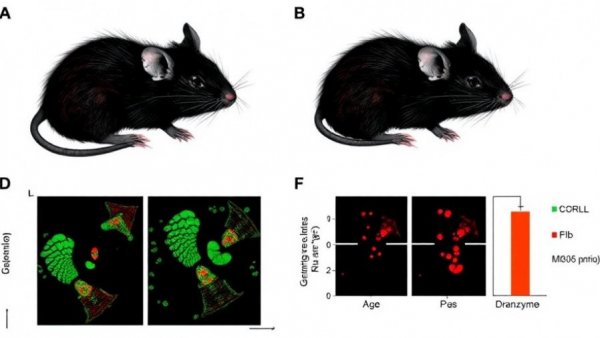
Granzyme K Knockout Mice Exhibit Reduced Loss of Function with Age

Understanding Aging and Inflammation

Aging brings a host of challenges, and one significant issue is the chronic inflammation that emerges even without infections or injuries. This condition is fueled by several factors, including the remnants of damaged cells that release inflammation-causing signals and the immune system’s reaction to accumulated waste in our tissues. Even more surprisingly, this chronic inflammation isn't the only player in our decline as we age. Research shows that various biological mechanisms interact to drive the aging process forward.

The Surprising Role of Granzyme K

In a recent study, researchers explored the effects of granzyme K, a molecule typically produced by immune cells such as CD8+ T cells. They discovered that eliminating granzyme K in mice helped slow down age-related functional decline. Interestingly, this change occurred without any decrease in the chronic inflammation commonly associated with aging. This points to the possibility that granzyme K promotes aging through paths that do not rely solely on inflammation, marking a fascinating twist in our understanding of age-related processes.

The Link Between Immune Aging and Health

The immune system's deterioration is one of the most profound signs of aging. With age, there’s a notable decrease in the number of functional CD8+ T cells, which are crucial for a strong immune response. This decline can trigger further systemic aging across the body as these immune cells produce more inflammatory compounds. If we can better understand and manipulate the role of elements like granzyme K, we might uncover new pathways to promote healthier aging.

What This Means For Seniors

For senior citizens, knowing about these findings can provide hope. They highlight that even the mechanisms driving aging are complex and interconnected, suggesting potential new strategies for maintaining health. By staying informed about scientific advancements in aging, seniors can better empower themselves to adopt lifestyles that may mitigate the effects of aging.

Take Charge of Your Aging Journey

Staying active and engaged in the latest health research can profoundly impact seniors' quality of life. Consider exploring fitness programs, nutrition workshops, and mindfulness practices to enhance overall health. Together, we can help combat the effects of aging and embrace a vibrant lifestyle.
Healthy Aging

0 Views

0 Comments

Write A Comment

*
*
Please complete the captcha to submit your comment.
Related Posts All Posts
11.21.2026

Why Home Blood Pressure Monitors Are Vital for Seniors' Health

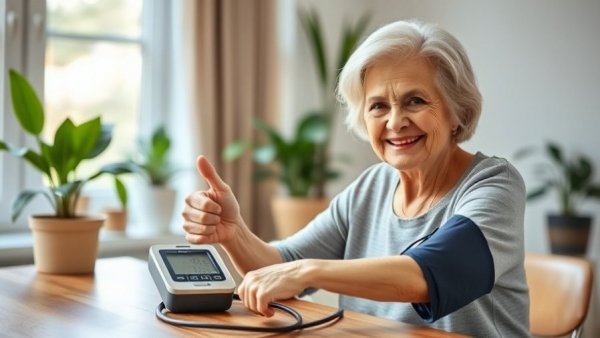
Update The Essential Role of Home Blood Pressure Monitors for Seniors In the realm of healthcare, few tools pack as much potential for older adults and their caregivers as a reliable home blood pressure (BP) monitor. This equipment is invaluable not only for those diagnosed with hypertension but for anyone looking to maintain their overall well-being as they age. Let’s explore the remarkable benefits that come from having a BP monitor at home. Check for Serious Illness with Confidence Home BP monitors can be the first line of defense when an older adult isn't feeling their best. Sudden changes in blood pressure or pulse can provide crucial clues about one's health. For instance, heart rates exceeding 100 beats per minute or significantly low blood pressure readings can alert caregivers and healthcare professionals to the possibility of serious conditions. Keeping a log of these readings enhances communication with healthcare providers, possibly leading to quicker interventions during phone consultations. By integrating technology, many modern BP monitors allow for easy data tracking through apps, making it simpler to note how symptoms evolve over time. Reduce Fall Risk: Understanding Orthostatic Hypotension Another critical benefit of home BP monitors is their role in fall prevention. Many older individuals face a drop in blood pressure when shifting from sitting to standing, known as orthostatic hypotension. This can lead to dangerous falls. Monitoring BP in both positions allows families and healthcare professionals to identify this issue proactively. For instance, if standing BP dips below 110 systolic, it might necessitate adjustments in medication or daily routines. Such preventative measures can safeguard an older adult's mobility and independence, enhancing their quality of life. Monitor Medication Effects and Adjust Accordingly When it comes to medications impacting blood pressure or heart health, timely monitoring can facilitate significant adjustments in treatment. Following any changes to medication, caregivers should consistently check BP for about a week. This helps ensure that dosages remain effective and safe. Caregivers can build a clear dialogue with healthcare providers about desired blood pressure goals and thresholds for action. By not waiting for a routine check-up, families can pivot quickly to manage their loved one's health effectively. Having a home blood pressure monitor means being proactive about health. By leveraging this simple yet powerful tool, older adults and their families can enjoy a more informed and engaged healthcare journey, enhancing their overall wellness.

11.19.2026

How Senescent Macrophages Contribute to Osteoporosis in Seniors

Update Understanding Senescent Macrophages in OsteoporosisAs we age, our bodies undergo numerous changes, one of which is the increasing burden of senescent cells. These cells contribute to chronic inflammation and the deterioration of tissue structures, significant factors in aging. Among these senescent cells are macrophages, a type of innate immune cell that serves vital roles in our body, notably in bone health. Recent discussions have brought attention to how these macrophages can enter a senescent state, contributing specifically to conditions like osteoporosis—the age-related loss of bone density.How Macrophages Influence Bone HealthMacrophages are not merely immune responders; they are essential players in maintaining bone integrity and function. In a healthy bone environment, they interact dynamically with other cells such as osteoblasts (bone-building cells) and osteoclasts (bone-resorbing cells). However, aging may cause these macrophages to change their behavior, ultimately affecting the body's ability to maintain bone density. For instance, in older individuals, there is often an increase in a specific type of macrophages known as M1-polarized macrophages, which are linked to inflammation and bone loss.Preventing Osteoporosis through Healthy LivingSo what can seniors do to safeguard their bone health? While we cannot stop aging, there are proactive steps to support a healthier immune system and potentially mitigate the impacts of senescent macrophages. This can include a balanced diet rich in calcium and vitamin D, engaging in regular physical activity tailored to your abilities, and staying hydrated. Furthermore, recent research highlights the importance of maintaining a healthy lifestyle to influence the bone microenvironment favorably. By taking these actions, you can significantly influence your bone health and overall well-being as you age.Stay Informed and Proactive for Better HealthUnderstanding the role and impact of senescent macrophages provides valuable insights into managing osteoporosis. As research continues to evolve in this fascinating area, it’s essential to keep informed about the latest findings and incorporate effective strategies into your daily life. By doing so, you empower yourself to live more healthily and vibrantly.

11.18.2026

Understanding Age-Related Synaptic Dysfunction: Key Approaches for Seniors

Update The Importance of Synaptic Health in AgingAging is a natural process, and understanding the intricacies of how it affects our brain is crucial for maintaining cognitive health. As we age, the connections between neurons, known as synapses, gradually lose their function. This decline can lead to cognitive impairments often seen in conditions like Alzheimer’s disease (AD). Research indicates that synaptic dysfunction is characterized by both a loss of functionality in these connections and disturbances in the balance of neurotransmitter signaling. Focus on Glial CellsExciting findings from recent studies highlight the importance of glial cells, such as microglia and astrocytes, in supporting and maintaining synaptic health. These cells play multiple roles, including protecting neurons and regulating the communication between them. As glial dysfunction progresses with age, it becomes increasingly linked to neurodegenerative diseases. Therefore, therapies designed to enhance glial function could provide innovative approaches to treat or prevent cognitive decline.Promising Therapeutic StrategiesAmong the strategies discussed by researchers, targeted therapies that focus on maintaining synaptic transmission balance hold promise. Current avenues include the development of drugs that can influence glial cells and neurotransmitter systems to enhance synaptic health. For instance, treatments that modulate the pathways involved in neuroinflammation may help counteract the damaging effects of aging neurobiology.Looking Ahead: Early Intervention is KeyInterestingly, there’s a growing consensus on the importance of early intervention. By screening for risk factors and addressing synaptic health proactively, it is possible to mitigate the impact of aging on cognitive function. This approach not only opens up possibilities for future therapies but also encourages patients and caregivers to advocate for cognitive health as a priority.

Pulse On Wellcare

Our mission is to bridge the gap between healthcare and wellness, providing a comprehensive media destination for those seeking reliable information and inspiration from sponsor content.

COMPANY

  • Privacy Policy
  • Terms of Use
  • Advertise
  • Contact Us
  • Menu 5
  • Menu 6

864-571-8644

AVAILABLE FROM 8AM - 5PM

Regional News

Southwest 

ABOUT US

We are dedicated to empowering individuals across all 50 states in their journey toward healthier living.

© 2026 CompanyName All Rights Reserved. Address . Contact Us . Terms of Service . Privacy Policy

Terms of Service

Privacy Policy

Core Modal Title

Sorry, no results found

You Might Find These Articles Interesting

T
Please Check Your Email
We Will Be Following Up Shortly
*
*
*