

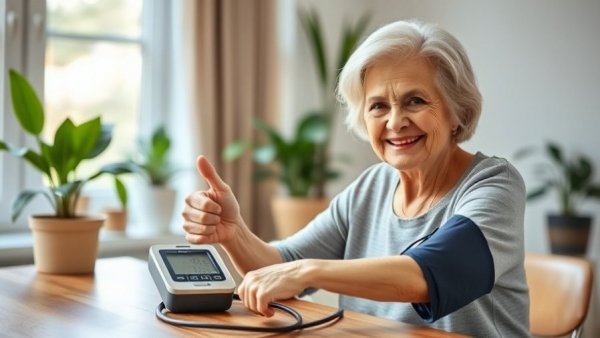
The Essential Role of Home Blood Pressure Monitors for Seniors
In the realm of healthcare, few tools pack as much potential for older adults and their caregivers as a reliable home blood pressure (BP) monitor. This equipment is invaluable not only for those diagnosed with hypertension but for anyone looking to maintain their overall well-being as they age. Let’s explore the remarkable benefits that come from having a BP monitor at home.
Check for Serious Illness with Confidence
Home BP monitors can be the first line of defense when an older adult isn't feeling their best. Sudden changes in blood pressure or pulse can provide crucial clues about one's health. For instance, heart rates exceeding 100 beats per minute or significantly low blood pressure readings can alert caregivers and healthcare professionals to the possibility of serious conditions. Keeping a log of these readings enhances communication with healthcare providers, possibly leading to quicker interventions during phone consultations. By integrating technology, many modern BP monitors allow for easy data tracking through apps, making it simpler to note how symptoms evolve over time.
Reduce Fall Risk: Understanding Orthostatic Hypotension
Another critical benefit of home BP monitors is their role in fall prevention. Many older individuals face a drop in blood pressure when shifting from sitting to standing, known as orthostatic hypotension. This can lead to dangerous falls. Monitoring BP in both positions allows families and healthcare professionals to identify this issue proactively. For instance, if standing BP dips below 110 systolic, it might necessitate adjustments in medication or daily routines. Such preventative measures can safeguard an older adult's mobility and independence, enhancing their quality of life.
Monitor Medication Effects and Adjust Accordingly
When it comes to medications impacting blood pressure or heart health, timely monitoring can facilitate significant adjustments in treatment. Following any changes to medication, caregivers should consistently check BP for about a week. This helps ensure that dosages remain effective and safe. Caregivers can build a clear dialogue with healthcare providers about desired blood pressure goals and thresholds for action. By not waiting for a routine check-up, families can pivot quickly to manage their loved one's health effectively.
Having a home blood pressure monitor means being proactive about health. By leveraging this simple yet powerful tool, older adults and their families can enjoy a more informed and engaged healthcare journey, enhancing their overall wellness.





Write A Comment