

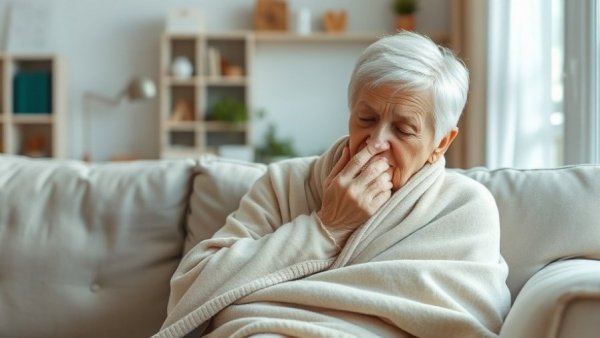
Understanding the Urgency of Respiratory Syncytial Virus for Seniors
As winter descends and respiratory illnesses surge, it's crucial for older adults to be aware of respiratory syncytial virus (RSV). Traditionally viewed as a childhood ailment, RSV is now recognized as a serious health risk for seniors as well. This shift in perception is vital, as data shows that RSV hospitalizations can lead to severe outcomes for those over 60.
What Is RSV and Why Does It Matter?
Respiratory syncytial virus is part of the Orthopneumovirus family and primarily impacts the upper respiratory tract. While many healthy adults experience cold-like symptoms, individuals with underlying health conditions, such as asthma or COPD, may face more serious threats, including pneumonia. Alarmingly, studies estimate that RSV accounts for 58,000–80,000 hospitalizations and up to 300 deaths annually among children. But these statistics parallel concerns for older adults, where RSV has led to a mortality rate of 6-8% among the hospitalized.
RSV Vaccines: A Game Changer for Seniors
In a breakthrough for public health, the FDA has authorized the use of RSV vaccines for adults aged 60 and older, with three vaccines expected to be available by 2026. These interventions mark a significant advancement in preventive care. Given that older adults are often the most vulnerable to respiratory viruses, this development can save lives and reduce hospital visits during peak seasons.
Protecting Yourself and Your Loved Ones
Knowing about RSV and its risks can empower older adults to take proactive measures, such as discussing vaccination options with healthcare providers. This is a time for awareness, education, and outreach to ensure that loved ones are safeguarded against this silent threat.
As we prioritize our health this winter, let’s remember that RSV is not just a children’s disease anymore. Seniors are advised to stay informed and consider vaccination as a crucial step in disease prevention.



Write A Comment