

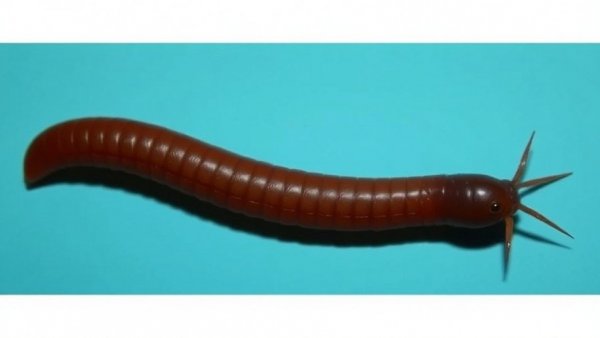
When a Tumor Turns Out to Be a Worm: A Startling Discovery
In a mind-boggling medical case reported in Vietnam, doctors opened a lump that they thought was a tumor, only to discover a live worm wriggling inside. The roundworm was identified as belonging to the genus Dracunculus, which includes the notorious guinea worm, once a rampant human parasite and currently considered nearly eradicated. This unusual incident highlights the complexities of parasitic infections in regions that were once thought to be free from such maladies.
The Baffling Case of Tumor-like Dracunculus Infections
Initially believed to be a soft-tissue tumor, the cyst—a cyst resembling a briskly growing lump—raised suspicion among medical professionals. Upon extraction, they found a live Dracunculus species worm, which, through genetic testing, has puzzled experts worldwide. According to the authors—Hai Nguyen Thi and Hong Anh Vu Thi—this case represents the first documented occurrence of a tumor-like presentation of human dracunculiasis in Vietnam. With Vietnam being certified free of guinea worm disease since 1998, this unexpected resurgence of a parasite adds a perplexing twist to the country's health landscape.
Unraveling the Guinea Worm's Mystique
Classic presentations of guinea worm disease follow a pretty straightforward pattern: individuals ingest larvae found in contaminated water supply, leading to emerging worms that push through the skin to cause painful blisters. This particular case, however, challenges that narrative. The worm stayed enclosed in a cyst reminiscent of a tumor, complicating its diagnosis where infections are rare, as noted by the researchers.
The Growing Challenge of Dracunculus Infections in Vietnam
As of 2025, a significant number of cases—24 reported infections across five northern provinces—have surfaced. Health officials have linked these infections to the consumption of undercooked fish, snakes, and drinking untreated water, suggesting a different transmission pathway than previously assumed. This raises concerns about the possible resurgence of a parasite long thought to be eliminated from the region, revealing a public health challenge that the local healthcare system is currently unprepared for.
Global Perspectives: A Race Against Time
While the global eradication campaign led by the Carter Center reported only a handful of guinea worm cases in 2025, Vietnam's rise in infections is alarming. The intricate relationship between local dietary habits and the newly emerging infections may suggest a need for educational campaigns focused on food safety and hygiene in conjunction with environmental health measures. Enhanced public awareness could be key to preventing further transmission.
This discovery in Vietnam opens the door to many questions that experts must address, particularly regarding the specific species of Dracunculus involved in these recent infections. Accurate identification is crucial for effective prevention and eradication strategies, as many related species do not follow the same routes of transmission. Without understanding how these parasites interact with the local ecosystem and human behavior, efforts to eliminate them may fall short.





Write A Comment