

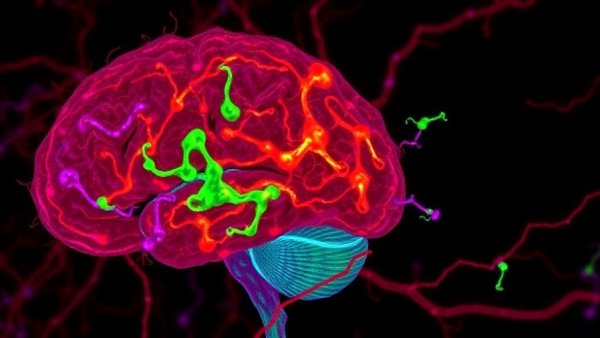
Understanding Microglia and Their Role in Alzheimer's
Microglia are the brain's innate immune cells, akin to the body's macrophages. They not only help maintain healthy neural networks but also defend against pathogens. However, as we age, microglia can become overly inflammatory, which can lead to chronic disturbances in brain tissue. This is particularly concerning in the context of Alzheimer's disease (AD), where inflammation may contribute to the progression of neurodegeneration.
Galectin-3: A Key Player in Alzheimer's Disease
A recent study sheds light on the role of galectin-3 (Gal3) in managing the inflammatory behavior of microglia. Researchers discovered that Gal3 plays a significant part in how microglia interact with amyloid-β (Aβ) aggregates, which are implicated in AD. In models of Alzheimer's, reducing Gal3 led to less plaque build-up and healthier neural activity, indicating its potential as a target for new treatments.
Implications for Your Health
For seniors, understanding these mechanisms could be life-changing. As we age, promoting brain health becomes vital. Strategies to support microglial health may include maintaining a balanced diet, regular exercise, and engaging in mentally stimulating activities. Simple lifestyle adjustments could influence the health of your brain significantly.
Take Action for Healthy Aging
While concrete treatments targetting galectin-3 are still under investigation, adopting a proactive approach to your brain health may prevent or slow down neurological decline. Prioritizing a nutrient-rich diet, staying socially active, and exercising can contribute to better aging outcomes. Remember, every small change you make today can pave the way for a healthier tomorrow!





Write A Comment