
cropper
update
Pulse On Wellcare
update
  • Home
  • Categories
    • Healthcare
    • Trends
    • Insights
    • Southwest
    • Strategies
    • Prevention
    • Lifestyle
    • Mental Health
    • Preventative Care
    • Nutrition & Meal Planning
    • Telemedicine Access
    • Workplace Wellness
    • Wellness Tips
  • Events
  • Healthy Aging
June 04.2025
2 Minutes Read

New Study Reveals Women and Crohn's Patients' Higher Risk of Skin Disorders

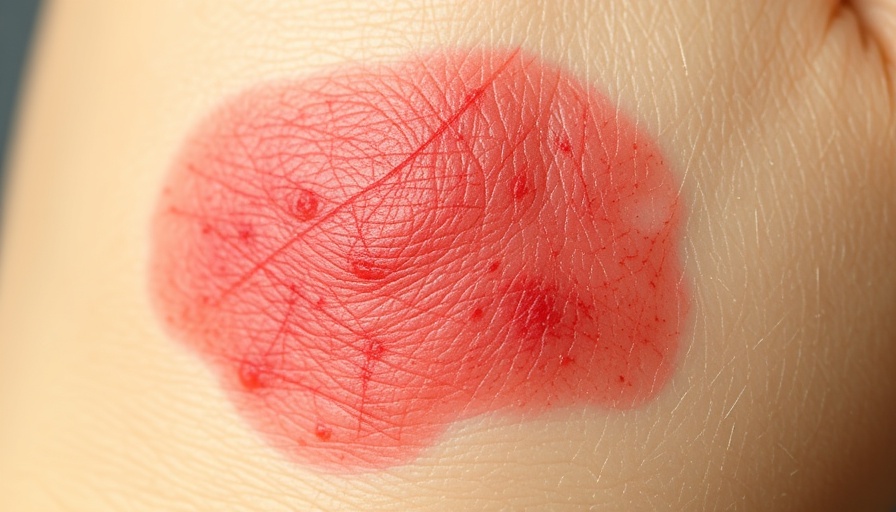
Red irritated skin with rash and hand scratching, Crohn's disease skin disorder.

Understanding the Link Between Inflammatory Bowel Disease and Skin Disorders

Inflammatory Bowel Disease (IBD), which includes conditions like Crohn's disease and ulcerative colitis, doesn’t just affect the digestive system; it also has implications for the skin. A recent study has illuminated a startling trend: women and Crohn's patients experience a higher risk of developing skin disorders. With IBD impacting 3 million people in the U.S. alone, this emerging connection demands attention from both healthcare providers and patients.

The Unique Risks Faced by Women with IBD

Women are particularly susceptible to the dual challenges of IBD and dermatological issues, as the study suggests. Their bodies may respond differently to inflammation and treatment, exacerbating skin conditions like psoriasis or eczema. Understanding the risks and raising awareness among women with IBD can empower them to seek targeted treatments and preventative care. Awareness can also pave the way for lifestyle changes that could mitigate these risks.

The Role of Telemedicine in Management

In light of these findings, telemedicine emerges as a crucial tool for addressing skin-related concerns in IBD patients. Through virtual consultations, patients can discuss symptoms with dermatologists more conveniently than ever, ensuring they receive prompt, care without the added stress of an in-person visit. This method not only increases accessibility but also encourages individuals to prioritize skin health as part of their overall wellness strategy.

Broader Implications for IBD Patients

The implications of this study extend beyond just skin health. It encourages healthcare professionals to take a more holistic approach when treating IBD patients. Routine screenings for skin disorders could become a standard part of IBD care, allowing for earlier detection and better management of any complications that may arise.

Empowering Patients Through Knowledge

With knowledge comes power. Patients with IBD, especially women, should be educated about the potential for skin disorders and encouraged to advocate for their health. Using platforms like telemedicine, they can receive tailored advice on skincare that complements their treatment plans, thereby improving both their physical and emotional well-being.

Conclusion: A Call to Action for IBD Patients

The link between skin disorders and IBD, as highlighted in recent studies, unveils a critical aspect of living with this chronic condition. By fostering open communication with healthcare providers and utilizing resources such as telemedicine, individuals can take proactive steps towards maintaining their overall health. It’s not just about managing symptoms; it’s about embracing a healthier, more informed way of life.

Telemedicine Access

1 Views

0 Comments

Write A Comment

*
*
Please complete the captcha to submit your comment.
Related Posts All Posts
05.08.2026

Medak Nurse Arrested for Allegedly Selling Newborn: A Grievous Tale of Trafficking

Update Heart-Wrenching Incident Unveils a Dark Side of Healthcare In a shocking and deeply troubling case from Medak, Telangana, a nurse has been arrested for allegedly selling a newborn baby girl for ₹1.5 lakh. The allegations stem from a situation in which the baby’s mother was falsely informed that her child had died shortly after birth. A 27-year-old woman, despite being in a dangerous situation, was informed that her baby girl was stillborn after delivering in a private hospital following a frightening incident involving monkeys. Understanding the gravity of this case not only concerns the actions of a few individuals but raises significant questions about integrity and accountability in healthcare settings. The Journey to Justice: How the Notification Led to Arrests The distressed mother, initially grieving her loss, discovered the truth only when an anonymous tip revealed that her baby was alive and had been sold. After approaching law enforcement, a rapid investigation led to the arrest of the nurse, the intermediary, and the couple who purchased the child. Authorities promptly confirmed the baby was recovered and reunited with her mother, highlighting a collective effort to secure justice. This particular case drew attention to the horrifying issue of infant trafficking, an illegal act that continues to plague societies around the globe. The Wider Implications: Healthcare and Ethical Responsibilities Beyond the immediate actions of the nurse, this incident emphasizes the ethical responsibilities faced by healthcare professionals. It reminds us of the necessity for vigilant systems and protocols to prevent unethical practices in hospitals. As highlighted in an article from Hindustan Times regarding a similar case in the region, ongoing concerns surround how hospitals manage deliveries and the subsequent treatment of vulnerable mothers. Ensuring transparency and compassion in these situations must be a priority. Understanding the Repercussions: Legal Framework and Community Response Authorities have initiated legal proceedings under the Bharatiya Nyaya Sanhita relating to the trafficking of minors and kidnapping, as well as aspects of the Juvenile Justice Act. Community members are left grappling with this terrifying realization and are advocating for stricter regulatory measures and ethics training for medical personnel. Local activists, amidst the wave of outrage, have begun to mobilize, emphasizing the need for improved awareness and proactive measures to combat infant trafficking. The involvement of the hospital’s management is currently under investigation, showcasing that accountability should not solely rest with individual practitioners but also extend to institutional practices. Confronting a Cultivation of Misunderstanding and Fear This incident has cultivated discussion within the community not only about the sale of infants but also about the broader misconceptions surrounding childbirth and maternal care. Many new mothers face immense fear and anxiety, often exacerbated by negligent practices or misinformation provided by medical staff. Local community groups are stepping forward to address these fears, offering free counseling and education on maternal rights and and infant care—which paves the way towards healthier outreach and support for vulnerable families. Next Steps: Community Action and Ongoing Vigilance As authorities continue to investigate the health facility's role in this case, the situation serves as a rallying point for those concerned about maternal and child health rights. Community action groups are calling for the establishment of better safeguards to prevent such tragic events from occurring in the future and promote values of dignity and support for mothers and their newborns. This heartbreaking incident serves as a reminder that vigilant community engagement, ethical healthcare practices, and stringent enforcement of laws against trafficking can help protect the most vulnerable among us. The entire healthcare system must reaffirm its commitment to ethical excellence and social responsibility.

05.07.2026

Fire at Sircilla Medical College Hostel Raises Essential Safety Concerns

Update Fire Erupts at Sircilla Medical College HostelOn a chilly evening in Sircilla, a fire broke out in the hostel of a prominent medical college, sending shockwaves through the community and igniting serious concerns about safety protocols. Fortunately, no injuries were reported, but the incident has raised questions about the adequacy of fire safety measures in educational institutions across the region.Immediate Response and Community SafetyEmergency services responded promptly, putting out the fire within a short period. The swift action of the fire brigade showcased the importance of preparedness in emergencies, but it also highlighted the critical need for preventive measures. Educational institutions, especially hostels accommodating many students, must prioritize safety protocols to ensure the welfare of their residents.The Need for Enhanced Safety ProtocolsThe incident has sparked discussions among students, parents, and educators regarding the current fire safety standards in similar facilities. Many are calling for more comprehensive safety training programs and regular fire drills to equip students with the knowledge and skills they need to respond effectively in case of emergencies. Communication about safety procedures is crucial in reducing panic and ensuring orderly evacuations.Connecting with the Community: The Role of TelemedicineThis unfortunate event underscores the relevance of safety in various aspects of student life, including health services. As educational institutions evolve, integrating telemedicine into the student health facilities can serve as a vital support system. By enabling students to access medical advice and mental health support remotely, institutions can enhance their care services and minimize anxiety, fostering a safer educational environment.Moving Forward: A Call for ActionThe fire at Sircilla Medical College hostel serves as a wake-up call, reminding us of the importance of prioritizing safety in our communities, particularly in spaces where students spend a significant amount of time. It’s an opportunity to advance discussions around safety regulations and actively participate in community safety initiatives. Anyone outraged by the incident should advocate for rigorous safety protocols and ensure their voices are heard.Let’s not wait for another incident to happen. Join the conversation on community safety and the integration of health resources like telemedicine in education. Together, we can work towards creating an environment where students can focus on their studies without the worry of safety hazards.

05.06.2026

Understanding the ISIS Bioterror Conspiracy: A Call for Community Vigilance

Update Unraveling a Grievous Plot: An ISIS Bioterror Conspiracy The National Investigation Agency (NIA) has recently filed a chargesheet against three individuals, including a doctor from Hyderabad, in a disturbing ISIS-linked bioterrorism conspiracy. This case is not only alarming due to the heinous nature of the allegations but also highlights the vulnerabilities within our society that can be exploited for deadly agendas. The accused are thought to have plotted to use ricin, a potent toxin derived from castor seeds, to execute a mass poisoning in public spaces, raising serious concerns about bioterrorism reaching our streets. Understanding the Threat: A Peek into Bioterrorism Bioterrorism attacks involve the deliberate release of viruses, bacteria, or other germs to cause illness or death. As highlighted by the NIA’s statement, the accused exhibited a highly coordinated effort under the influence of foreign handlers linked to ISIS, aiming to recruit and radicalize vulnerable youth. The intricate planning behind this conspiracy portrays a chilling reality: bioweapons can proliferate silently, wreaking havoc at the hands of those driven by extremist ideologies. The Role of Technology in Recruitment and Radicalization Another pivotal aspect of this case is how terrorist organizations leverage modern technology for recruitment and coordination. Social media platforms and encrypted communication apps are often used to radicalize and entice individuals into supporting jihadist causes. This case, particularly, demonstrates how dangerous individuals can manipulate technology to coordinate their nefarious plans, casting a shadow over global security. Lessons for Society: Strengthening Community Bonds Against Threats In light of such incidents, it’s essential for communities to strengthen their bonds and vigilance. Grassroots movements can play a crucial role in combating radicalization by fostering connectedness among community members, creating safe spaces for dialogue, and promoting inclusivity. Programs that educate young individuals about critical thinking and resilience against extremist beliefs can prove invaluable in safeguarding against manipulation and indoctrination. The Human Touch: Building Resilience in the Face of Fear This alarming incident forces us to confront how threats can lurk beneath the surface, but it also reminds us of our inherent capacity for compassion and solidarity. Individuals can unite to create a cultural atmosphere where mental well-being and emotional support are prioritized. By doing so, people may be less receptive to extremist narratives and form a robust front against those who would exploit societal vulnerabilities. Conclusion: What Can Communities Do? The filing of charges against those accused in the ISIS-linked case emphasizes the urgent need for societal vigilance and proactive measures. Communities must come together to foster understanding and connection while ensuring that the youth are empowered to resist radical ideologies. Caring, informed individuals can deter radicalization and promote a culture that prioritizes peace and security for everyone.

Terms of Service

Privacy Policy

Core Modal Title

Sorry, no results found

You Might Find These Articles Interesting

T
Please Check Your Email
We Will Be Following Up Shortly
*
*
*