
Add Row
Add Element
cropper
update
Pulse On Wellcare
update
Add Element
  • Home
  • Categories
    • Healthcare
    • Trends
    • Insights
    • Southwest
    • Strategies
    • Prevention
    • Lifestyle
    • Mental Health
    • Preventative Care
    • Nutrition & Meal Planning
    • Telemedicine Access
    • Workplace Wellness
    • Wellness Tips
  • Events
  • Healthy Aging
August 28.2025
2 Minutes Read

How to Manage High Blood Pressure in Seniors: Key Insights from Recent Research

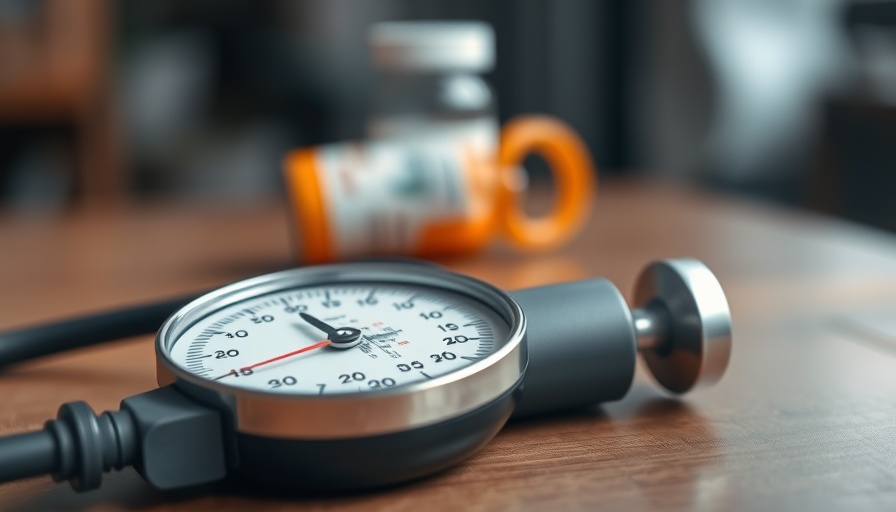
Close-up of sphygmomanometer and prescription bottle for lower blood pressure in aging.

Understanding Blood Pressure Management in Aging

As we age, our health concerns shift, especially regarding high blood pressure, or hypertension. In particular, many seniors grapple with finding the right blood pressure target that contributes positively to their overall health. Studies have shown that managing hypertension in individuals aged 75 and older requires a nuanced approach compared to younger patients.

What Does Research Say?

The SPRINT-Senior study is a crucial resource for understanding how best to manage hypertension in older adults. Conducted alongside the original SPRINT trial, which helped reshape blood pressure treatment guidelines, this study highlighted that treating blood pressure to a target of less than 120 mm Hg showed significant benefits compared to a more lenient target of less than 140 mm Hg.

This research indicates better cardiovascular health outcomes for seniors when their blood pressure is maintained at this lower threshold. Following these findings, it begs the question of whether these insights could lead to reconsideration of current treatment plans for seniors struggling with hypertension.

Practical Insights for Seniors

For seniors or their caregivers, understanding the implications of studies like SPRINT-Senior can help in making informed decisions regarding medication and lifestyle changes. The study suggests that aiming for lower blood pressure levels could potentially reduce the risk of heart attacks and strokes.

Moreover, it’s important for seniors to engage in discussions with their healthcare providers about any changes in medication that align with these findings. Having an open dialogue can empower seniors to take charge of their health, ensuring they receive tailored treatment that addresses their unique needs.

Empowering Health Decisions

Being proactive about blood pressure management means understanding not just the numbers but also the lifestyle choices that support healthy living. Regular exercise, a balanced diet low in sodium, maintaining a healthy weight, and managing stress are all vital components of hypertension management.

As we navigate through these aging years, living well should always be the goal. Taking the time to re-evaluate health strategies will help seniors make informed health decisions that could greatly enhance their quality of life.

For additional insights on managing high blood pressure and a step-by-step approach to health, consider visiting reputable health resources or discussing your concerns with your healthcare provider.

Healthy Aging

1 Views

0 Comments

Write A Comment

*
*
Please complete the captcha to submit your comment.
Related Posts All Posts
04.07.2026

Unlock the Secrets of Rapamycin: A Pioneering Approach to Healthy Aging

Update Understanding the Potential of Rapamycin in Aging With the quest for longevity becoming increasingly popular, rapamycin shines as a beacon of hope. Originally developed as an immunosuppressant for transplant patients, this drug has drawn attention for its potential benefits in aging and longevity. Given its ability to inhibit the mTOR (mechanistic target of rapamycin) signaling pathway, rapamycin could play a critical role in slowing age-related declines. Key Insights from Emerging Research Recent clinical studies suggest that low doses of rapamycin can positively impact health markers in older adults. Trials indicate that a weekly dosage of about 5–10 mg for a 70 kg adult is effective without the heightened risks associated with higher doses used in transplant medicine. Initial findings report improvements in immune response to vaccines and enhance general health markers. Why Dosing Matters Some researchers emphasize that the dosing strategy is just as crucial as the drug itself. Emerging evidence highlights the significance of intermittent dosing—that is, administering rapamycin in intervals rather than daily. This approach could prevent metabolic risks linked to continuous mTOR suppression. It appears to trigger autophagy, a cellular cleanup process that is vital for maintaining health as we age. Current Trials and Findings Human clinical trials, including the PEARL trial and others, are crucial in understanding how rapamycin may effectively promote healthspan. While none have confirmed lifespan extension in humans thus far, participant outcomes show promise, with improved physical and emotional well-being. Additionally, the favorable safety profile observed in studies indicates that carefully administered rapamycin might be safe, even for older adults. Holistic Benefits of Understanding Dosing By altering the overactive growth programs within our cells and allowing for periodic cleansing, rapamycin could pave the way to increased health and longevity. It is vital to understand that while the science is evolving, the prospects of low-dose rapamycin as an anti-aging treatment are intriguing yet should be approached with caution, emphasizing personalized health care under medical supervision. Conclusion: The Future of Healthy Aging As research continues to unveil the mechanisms behind rapamycin's potential benefits, senior citizens may find renewed hope in this pharmaceutical ally against aging. The future looks promising as scientists work toward more comprehensive trials, making the dream of a healthier, longer life a reality.

04.05.2026

Empower Your Health: Focus on Wellness Trends for Seniors in 2026

Update Embracing Health as We AgeElderly individuals are increasingly empowered to take charge of their health, leading to a vibrant and fulfilling lifestyle. As we age, it's crucial to focus on well-being for both physical and mental health. This past week, several informative trends emerged that can make a difference for seniors looking to enhance their quality of life.Current Trends in Senior HealthOne noteworthy development is the rise of preventive care strategies. Many communities are launching accessible programs that cater specifically to senior needs. Participating in these programs can help maintain mobility and strengthen connections among peers, reducing feelings of isolation.Adopting Nutrition as a Key to LongevityNutrition remains a cornerstone of healthy aging. Recent studies show that seniors who follow balanced diets rich in fruits, vegetables, and whole grains not only feel better physically but also report improved mental clarity. Meal planning services tailored for seniors are emerging, making it easier to maintain a healthy diet without the hassle.Accessible Fitness OpportunitiesAnother exciting trend is the expansion of fitness programs designed for the elderly. Many local gyms and community centers now offer gentle yoga and water aerobics, which promote movement without strain. Staying active is essential, as it not only strengthens our bodies but can lift spirits and encourage a sense of community.Looking AheadAs the healthcare landscape evolves, it's vital for seniors to stay informed about services available for enhancing their health. Engaging in these activities is not just about adding years to life; it’s about adding life to years.By making simple adjustments in nutrition, participating in physical activities tailored for seniors, and leveraging community resources, we can all fight aging one step at a time. Ready to take charge of your health? Begin today!

04.04.2026

Reprogramming cGAS-STING: A New Hope for Aging Health

Update The Hidden Signals of Aging: Understanding cGAS-STINGAging brings about noticeable changes, but many of its effects are silent and insidious. One such effect is the overactivation of the cGAS-STING pathway, which plays a critical role in our body's response to cellular damage. As we age, our cells experience dysfunction, leading to the leakage of DNA fragments into the cytosol, which triggers an inflammatory response through cGAS and STING. This response, while designed to protect us from infections, ironically contributes to chronic inflammation and cellular aging.Ovarian Health and the Inflammatory ClockOne particularly interesting area of research focuses on ovarian health, where the cGAS-STING pathway acts like an inflammatory clock, signaling the age-related decline in ovarian function. This decline isn’t merely a fertility issue; it indicates a broader picture of accelerated aging that can affect women's health significantly. Addressing the cGAS-STING interaction could be key not just for fertility preservation, but for overall health and longevity.Innovative Approaches to Resetting InflammationResearchers are exploring innovative strategies like 'signal reprogramming,' which aims to adjust the body's inflammatory responses rather than simply dampening them. The concept is to encourage beneficial outcomes instead of limiting the inflammation that is necessary for a healthy immune response. By harnessing the body's signals to promote repair and regeneration, we may open the door to new therapeutic options for healthier aging.Your Path to Healthier AgingUnderstanding the complexities of inflammatory pathways like cGAS-STING empowers seniors to take proactive steps in their health journey. While medical advancements are on the horizon, adopting lifestyle changes such as regular exercise, a healthy diet, and mindfulness practices can significantly impact how one ages. Embracing these insights not only informs treatment options but also enhances everyday life, reminding us that our actions today can lead to better health tomorrow.

Terms of Service

Privacy Policy

Core Modal Title

Sorry, no results found

You Might Find These Articles Interesting

T
Please Check Your Email
We Will Be Following Up Shortly
*
*
*