
Add Row
Add Element
cropper
update
Pulse On Wellcare
update
Add Element
  • Home
  • Categories
    • Healthcare
    • Trends
    • Insights
    • Southwest
    • Strategies
    • Prevention
    • Lifestyle
    • Mental Health
    • Preventative Care
    • Nutrition & Meal Planning
    • Telemedicine Access
    • Workplace Wellness
    • Wellness Tips
  • Events
  • Healthy Aging
June 21.2025
2 Minutes Read

How Frailty Significantly Increases Mortality and Complications in PCI Patients

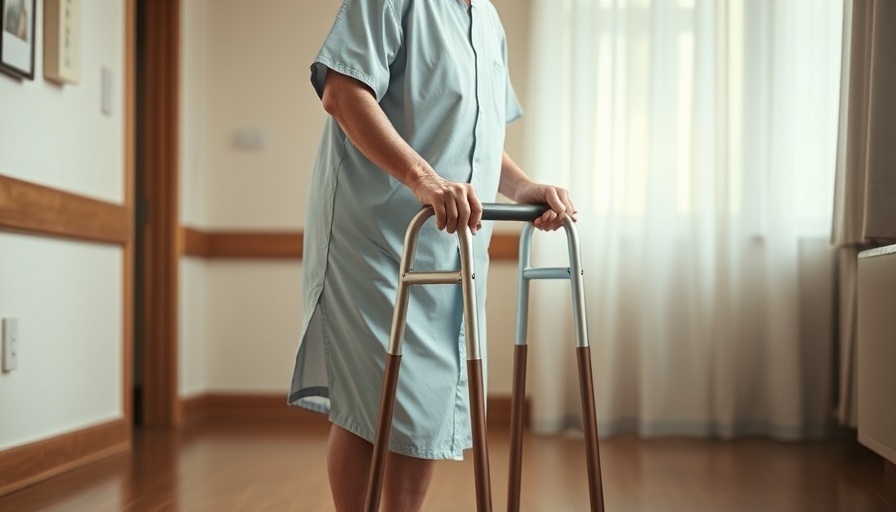
Elderly patient using walker in hospital, illustrating frailty increases mortality in PCI patients.

Understanding Frailty's Impact on PCI Patients

New research has unveiled critical insights into the role of frailty in patients undergoing Percutaneous Coronary Intervention (PCI). A study from the National Cardiovascular Data Registry (NCDR) reports that individuals identified as frail have significantly higher rates of mortality and complications post-procedure. This revelation compels a re-evaluation of patient assessment protocols prior to PCI, particularly in a healthcare landscape increasingly dominated by the integration of telemedicine for chronic condition management.

The Link Between Frailty and Heart Health

Frailty, characterized by decreased physiological reserves and increased vulnerability, is often overlooked in cardiac care settings. This study highlights how frail patients suffered worse outcomes after PCI, with complications such as heart attack and prolonged recovery times. These findings make a compelling case for the necessity of proper assessments that consider frailty as a key risk factor during pre-operative evaluations.

Innovative Telemedicine Solutions for Healthcare Accessibility

As we adapt to new technologies, telemedicine proves to be a valuable tool in identifying frailty and enhancing patient care. By allowing healthcare providers to conduct assessments remotely, telemedicine can ensure continuous monitoring of patients' health statuses. This proactive approach might significantly improve outcomes for vulnerable populations, ensuring frail patients receive tailored pre-operative evaluations and thus reducing the risks associated with PCI.

Steps for Improved Patient Outcomes

Healthcare professionals must actively engage patients in understanding their health, especially those at risk for frailty. Initiating regular conversations about lifestyle, nutrition, and mental well-being can help both patients and providers align on effective care strategies. By implementing multi-faceted wellness plans that incorporate telemedicine visits, healthcare systems can help reduce the complications that frail patients face during cardiac procedures.

Voices From the Community

Amidst these findings, it's essential to highlight the stories of local communities who are embracing preventative care. Many healthcare facilities across the Southwest are leading by example, integrating preventative measures such as community workshops focused on nutrition and overall wellness. Programs geared toward educating individuals on maintaining their health can significantly combat frailty long before it becomes a critical issue.

Call to Action: Empower Yourself and Others

As we gain awareness of the severe implications frailty has on PCI outcomes, it's vital to advocate for oneself and loved ones in healthcare settings. Understanding and addressing frailty not only improves patient prospects but can lead to more personalized and effective healthcare outcomes. Engage with local healthcare providers, inquire about assessments, and discover how to leverage telemedicine in your ongoing health journey!

Telemedicine Access

0 Comments

Write A Comment

*
*
Related Posts All Posts
02.20.2026

Why Novartis' Exit from Its India Arm Could Reshape Healthcare Investment

Update Understanding Novartis' Strategic Move in IndiaIn a significant restructuring move, Novartis AG has entered into an agreement to sell a 70.68% stake in Novartis India Limited to a consortium led by ChrysCapital for approximately Rs 1,446 crore (around $159 million). This decision marks the culmination of a strategic review initiated by Novartis two years ago, underscoring the pharmaceutical giant's effort to simplify its operations and focus on innovative medicines.The deal emphasizes Novartis’ intent to refocus its priorities while retaining its research and development footprint in India. Unlike a complete exit from the market, Novartis is merely stepping back from its commercial operations via Novartis India Limited, which remains a listed entity with a strong track record of profitability.Why This Transaction MattersThe transaction is noteworthy for a few reasons. Firstly, it indicates that multinational pharmaceutical companies are re-evaluating their investment strategies within India. While Novartis retains a presence through its wholly-owned subsidiary, Novartis Healthcare Private Limited, the shift reflects a broader trend of innovative pharmaceutical firms prioritizing capital allocation toward their research pipelines over operational entities in certain geographies.Analysts suggest that such changes are not done lightly. Salil Kallianpur, an expert in healthcare investments, stated that global pharmaceutical companies are reassessing their operations to allocate their resources more effectively. This signals a potential pivot in focus—one that aligns with emerging trends in healthcare innovations that prioritize research over legacy portfolio management.Investing in the FutureChrysCapital, recognized as one of India's premier private equity firms, aims to leverage the acquired stake to enhance operational efficiencies and innovate in the pharmaceutical sector. The consortium's investment strategy is expected to revitalize the potential cash flow for Novartis India Limited, fostering an environment where new operating models can thrive.This investment landscape offers critical insights into how private equity operates within established markets, presenting opportunities for growth and operational improvements. As investor interest in established branded generics grows, Novartis’ move positions itself to remain influential in India’s diversified healthcare market.What Lies Ahead for Novartis in India?Despite the sale, Novartis emphasizes that it remains committed to India as a key market, continuing its investment in innovation and R&D. The company's ongoing presence is underscored by its significant employee base and research initiatives, which span over 300 clinical trial sites across the country.As the transaction progresses towards completion in the third quarter of 2026, it will undoubtedly reshape the dynamics within the Indian pharmaceutical landscape. Investors and analysts alike will keenly watch how this change impacts the future trajectory of not only Novartis but the broader healthcare market in India.Take Action and Stay InformedFor stakeholders, investors, and healthcare professionals, understanding such strategic movements within major companies like Novartis is crucial. Keeping abreast of industry trends ensures that one is equipped to make informed decisions that can impact future investments and operational strategies. Follow news updates and engage with local healthcare discussions to remain connected with these pivotal changes.

02.19.2026

NEET PG Counselling List Released: A New Chance for NRIs

Update The Latest Development in NEET PG Counselling The Medical Counseling Committee (MCC) has officially released the list of NRI candidates eligible for the stray round of NEET PG counselling. This critical announcement impacts numerous aspiring medical students across the globe looking to secure a place in India's prestigious medical institutions. The NEET PG counselling process is significant because it marks the gate to specialization for students who have passed their MBBS exams with aspirations to advance into clinical and surgical fields. Why This Matters for NRI Candidates For NRIs, the NEET PG counselling provides an essential pathway to access high-quality medical education that may not be easily available in their home countries. With India's exceptional medical training infrastructure combined with evolving technologies like telemedicine enhancing the learning experience, medical training here can be incredibly advantageous. These candidates can benefit from both the academic excellence and the cultural experience of studying in India. Understanding the Counselling Process The NEET PG counselling requires candidates to be well-prepared and informed as they navigate through various rounds. Understanding the requirements, dates, and procedures that the MCC outlines will elevate their chances of success. From document verification to choice filling, each step plays a critical role in obtaining a seat. Impact of Stray Round on Student Aspirations The stray round of counselling is particularly vital as it presents additional opportunities for candidates who may not have secured a seat in earlier rounds. For many, this round is the last chance to pursue their dream of becoming a doctor. Given that the competition for medical seats can be fierce, the stray round can provide a glimmer of hope for persistent candidates. It's important for students to remain optimistic and stay engaged throughout this process. Broader Context: Telemedicine and Its Role Furthermore, the advent of telemedicine has revolutionized how medical professionals practice and learn, especially during and after the pandemic. As NRI candidates engage with cutting-edge technology in their education, they are better positioned to adapt to new healthcare models. Telemedicine enhances accessibility to patient care and emphasizes the importance of training in this emerging field, making it a valuable addition to a modern medical curriculum. Conclusion: A Step Towards Future Opportunities For NRI candidates, the release of the MCC list is more than just a procedural update; it's a transformative moment that can shape their careers and impact patient care globally. As medical education evolves, aspiring doctors must take advantage of every opportunity, including stray rounds, to pave their way towards fulfilling their professional dreams.

02.18.2026

Bihar's Health Revolution: Transforming District Hospitals into Super-Specialty Centers

Update Bihar’s Revolutionary Healthcare UpgradeThe Bihar government has set in motion an ambitious plan to revolutionize its healthcare system. Announced by Health Minister Mangal Pandey, the initiative aims to convert all 36 district hospitals into super-specialty facilities. This transformation is part of the Nitish Kumar government's 'Saat Nishchay-3' initiative, which seeks to enhance public healthcare accessibility and quality across the state.A Boost to Local Healthcare FacilitiesThe state government’s robust commitment comes with a massive budget allocation of Rs 21,270.41 crores for the upcoming financial year. This funding is expected to facilitate the upgrade of not just district hospitals but also community health centers into specialty hospitals, ensuring that a wide variety of services, from dental care to mental health support, becomes available to local populations.Addressing Criticism with ActionDespite the ambitious plans, the government has faced criticism from opposition parties. RJD MLA Karishma Rai pointed out that previous budgets have seen underutilization of funds, with the state failing to make the most of its healthcare budget. The government’s ability to address this issue will be crucial as it plans to implement its upgrades effectively. The aim is not just to increase quantity but to improve quality—making healthcare genuinely accessible.The Citizens’ Health Comes FirstPandey's declaration underscores a promise: 'Sabka Samman-Jeevan Aasaan' or 'Ease of Living'—an objective that resonates deeply with citizens seeking reliable healthcare. With this plan, Bihar is aiming to be on the list of the most developed states, which emphasizes not only infrastructural upgrades but also the health system's overall preparedness against future healthcare challenges.Why This Matters to ResidentsFor many citizens, the prospect of having advanced healthcare services nearby is a significant relief. It means fewer long journeys to distant cities for specialized treatment, and greater peace of mind knowing that quality healthcare can be accessed locally. With the addition of specialists and advanced services, the initiative promises a healthier and safer future for all.Embracing TelemedicineAs part of the system upgrade, there is room for integrating modern technologies such as telemedicine, which can bridge the healthcare gap in remote areas. The rise of telemedicine can help extend the reach of healthcare services, ensuring that even patients in the most rural communities can seek medical advice and support.TakeawayThis upcoming transformation of healthcare facilities heralds a hopeful future for Bihar's health sector. It is an inspiring reminder of the positive changes that can occur when the government prioritizes public health. As these upgrades take shape, they serve as a beacon for other regions aiming for similar improvements.

Terms of Service

Privacy Policy

Core Modal Title

Sorry, no results found

You Might Find These Articles Interesting

T
Please Check Your Email
We Will Be Following Up Shortly
*
*
*