
Add Row
Add Element
cropper
update
Pulse On Wellcare
update
Add Element
  • Home
  • Categories
    • Healthcare
    • Trends
    • Insights
    • Southwest
    • Strategies
    • Prevention
    • Lifestyle
    • Mental Health
    • Preventative Care
    • Nutrition & Meal Planning
    • Telemedicine Access
    • Workplace Wellness
    • Wellness Tips
  • Events
  • Healthy Aging
September 09.2025
2 Minutes Read

How Electrical Stimulation Can Help Seniors Heal Faster with M2 Macrophages

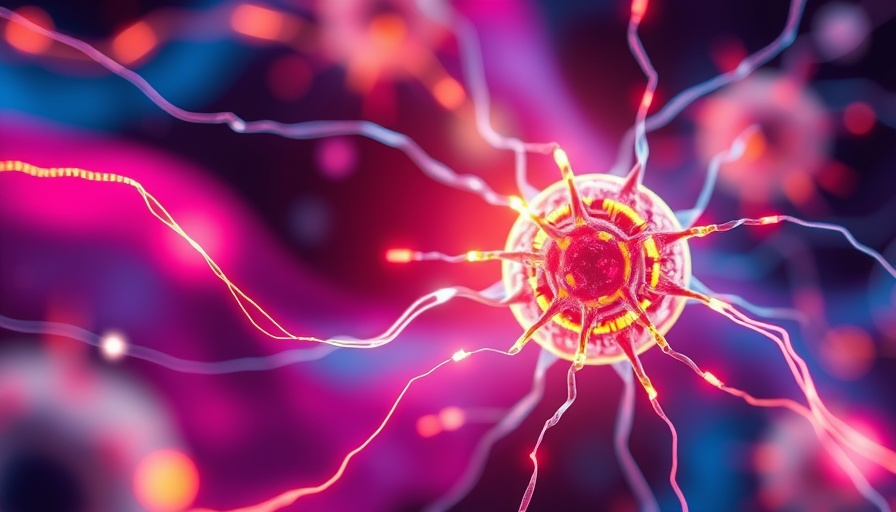
Abstract depiction of electrical stimulation regenerating macrophages.

The Healing Power of Electrical Stimulation

Recent research brings exciting news for the aging population: electrical stimulation can potentially induce macrophages, a type of immune cell, into a more healing state. With aging, our bodies often struggle to recover from injuries, and inflammation can become a persistent issue. However, scientists are discovering that by applying electrical stimulation to target macrophages, they can shift these cells from a harmful, inflammatory state (M1) to a healing, regenerative state (M2). This shift not only aids in combating inflammation but also boosts the healing process, which is vital for older adults striving to maintain their quality of life.

Understanding Macrophages: Guardians of Tissue

Macrophages are like the body’s first responders when it comes to combating illness and injury. They play a crucial role in managing the immune response, but their effectiveness can diminish with age. The ability to coax these important cells into a productive role using electrical signals opens an exciting realm of possibilities. Not only does this method promote healing in tissues, but it also enhances the growth of new blood vessels—a key process for effective recovery in seniors.

Practical Applications for Everyday Wellness

While the research is in the early stages, the implications are promising. Older adults looking for ways to enhance their recovery from injuries or surgeries might soon find that therapies involving electrical stimulation could be an option. For example, physical therapists may one day incorporate electrical devices to galvanize healing and improve tissue repair in their treatments.

Empowering Self-Care Through Emerging Science

For the aging community, staying informed about innovative treatments is empowering. The prospect of enhancing healing mechanisms through non-invasive methods could revolutionize how we approach recovery. Whether through physical rehabilitation or potential at-home devices, understanding these developments helps seniors become advocates for their health.

A Step Towards a Healthier Future

As research continues to evolve, it’s important for seniors and their families to stay engaged and informed about emerging health technologies. By understanding how electrical stimulation can aid in recovery, individuals can make proactive decisions about their health care and recovery strategies. This knowledge not only promotes longevity but also nurtures an overall healthier lifestyle.

Healthy Aging

Write A Comment

*
*
Related Posts All Posts
01.09.2026

How Reduced Cystathionine γ-Lyase Levels Impact Senior Brain Health

Update Understanding the Role of Cystathionine γ-Lyase in Aging The quest for longevity often leads us to explore the biological underpinnings of aging. One such discovery highlights the enzyme cystathionine γ-lyase (CSE), which has been shown to decrease as we age. Recent studies suggest that this reduction in CSE levels may play a significant role in the neurodegenerative diseases prevalent among older adults. Implications of Reduced CSE Levels Research indicates that the absence of CSE in mice leads to cognitive deficits similar to those seen in aged brains. Since CSE contributes to the production of hydrogen sulfide (H2S), a molecule implicated in neuroprotection, its decline could correlate with increased risks of Alzheimer’s disease and other cognitive disorders. The study not only underscores the importance of maintaining CSE levels but also opens the door for potential therapies targeting this enzyme as a means to ensure brain health. The Importance of Neuroprotection With age comes vulnerability to neurodegeneration, and understanding how CSE functions could lead to innovative treatments. Maintaining healthy levels of CSE might enhance the brain's ability to fend off conditions characterized by cognitive decline. Instead of focusing solely on treating symptoms, researchers advocate for an approach that addresses the biochemical pathways contributing to these diseases. Practical Steps for Brain Health As we consider these findings, it’s essential for seniors to take proactive steps in their health journey. Engaging in regular exercise, maintaining a balanced diet rich in antioxidants, and staying socially connected can support brain health and potentially counteract the impact of aging enzymes like CSE. These lifestyle choices are more than just daily tasks; they empower older adults to take charge of their health and well-being. Moving Forward with Awareness Aging gracefully requires knowledge and proactive measures. As research on CSE unfolds, staying informed will allow seniors and their caregivers to make well-rounded, educated decisions about health strategies and interventions that support cognitive function.

01.07.2026

Discover How Exosomes Could Transform Aging and Promote Longevity

Update Unlocking the Secrets of Exosomes: A New Frontier in Aging For those seeking ways to maintain health and vitality in their golden years, understanding the role of exosomes in aging and age-related conditions can be an exciting development. Exosomes are tiny vesicles produced by our cells, playing essential roles in cell communication. Recent studies suggest that these nano-sized carriers could offer insights into aging itself and help pave the way for innovative therapies. The Role of Exosomes in Cell Communication Exosomes act as messengers, delivering vital information between cells. In the aging process, they facilitate communication in various ways, influencing inflammation and tissue repair. For seniors, this means that exploring the potential benefits of exosomes could lead to new tools for managing chronic age-related diseases, from cardiovascular issues to neurodegeneration. Exosomes: A Double-Edged Sword What's particularly intriguing is the dual nature of exosomes—they can both contribute to and help alleviate the challenges of aging. On one hand, they are involved in "inflamm-aging," a term describing how inflammation can accelerate aging and associated diseases. On the other hand, researchers are discovering that exosomes might be harnessed as diagnostics and therapeutics. This potential makes them an exciting avenue for future anti-aging treatments and personalized medicine. Building a Case for Exosome Therapy As we look ahead to future healthcare trends, exosome therapy stands out. It has the potential to offer an easier and safer alternative to stem cell treatments, making it accessible to more people. By utilizing the body's own cellular signaling mechanisms, exosome therapy could one day transform how we approach aging and its associated conditions. Challenges Ahead: Navigating the Path to Clinical Use Despite their remarkable potential, several challenges remain before exosome therapies become commonplace. Overcoming these hurdles will involve further research and clinical trials. For seniors, this means staying informed about breakthroughs in exosome research could directly impact their health and wellness strategies. Conclusion: Empowering Healthy Aging As understanding of exosomes grows, so too does the opportunity for innovative treatments that can enhance quality of life as we age. Engaging with this emerging field can empower seniors to take proactive steps toward healthier aging. As always, remaining active, eating well, and staying informed are key components of a healthier lifestyle.

01.06.2026

Exploring MICOS: A Key Player in Age-Related Mitochondrial Dysfunction

Update The Role of MICOS in Aging and Alzheimer'sMitochondria serve as the powerhouse of our cells, and recent studies have highlighted a critical structure within mitochondria known as the mitochondrial contact site and cristae organizing system (MICOS). This structure is essential for maintaining mitochondrial architecture and connectivity, especially in neurons, which have high energy demands. Studies reveal that MICOS disruption is significantly linked to neuronal aging and diseases such as Alzheimer's, showcasing its importance in sustaining neuronal health.Why is MICOS Important?In the context of aging, MICOS integrity declines, leading to fragmented mitochondrial cristae and decreased intermitochondrial connectivity. These changes, observed in neurons exposed to signals related to Alzheimer's pathology, indicate that a breakdown in MICOS function might contribute to the mitochondrial dysfunction commonly noted in the disease. This suggests a deeper connection between the mechanisms of aging and neurodegenerative disorders.Implications for Alzheimer's DiseaseResearch has found that during the progression of Alzheimer's, structural deficits in mitochondria correlate with impaired excitability in neurons. As such, restoring or protecting MICOS function might offer a novel therapeutic approach for Alzheimer's prevention and treatment. This aligns with findings from the Mayo Clinic, which emphasize the role of mitochondrial dysfunction in the disease's onset and treatment response. Researchers emphasize that targeting mitochondrial complex I could provide new avenues for drug development aimed at enhancing neuronal resilience.Connecting Aging and NeurodegenerationThe relationship between age-related decline and diseases like Alzheimer's underscores the need for a multi-faceted approach to treatment. By focusing on the role of MICOS and overall mitochondrial health, future therapies may prevent or mitigate neurodegenerative changes. Emerging therapies and lifestyle adjustments aimed at bolstering mitochondrial function can play a significant role in promoting healthy aging and reducing the risk of Alzheimer’s disease.For senior citizens grappling with memory issues or concerns about Alzheimer’s, understanding the importance of mitochondrial health and potential interventions offers hope. Simple lifestyle changes, such as regular exercise, proper nutrition, and mental engagement, can complement emerging therapies that focus on mitochondrial repair.This convergence of aging research and Alzheimer's therapy sets the stage for innovative treatments that not only address cognitive decline but also enhance the overall quality of life for those affected.

Terms of Service

Privacy Policy

Core Modal Title

Sorry, no results found

You Might Find These Articles Interesting

T
Please Check Your Email
We Will Be Following Up Shortly
*
*
*