

Understanding the Cold-Drink Connection
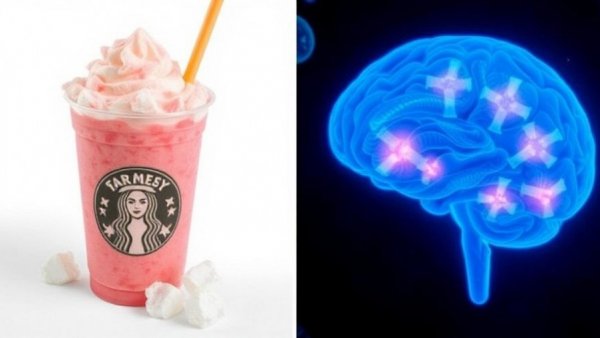
Imagine sipping on your favorite icy slushy on a hot day and suddenly feeling a jolt that combines a brain freeze with a rapid heart rate. That’s precisely what happened to a seemingly healthy 29-year-old man, showcasing a peculiar phenomenon that researchers are increasingly recognizing: the potential for cold drinks to trigger atrial fibrillation (AFib). This strange case has opened the floodgates for discussions around what some experts are now calling "cold drink heart."
The Surprising Science Behind "Cold Drink Heart"
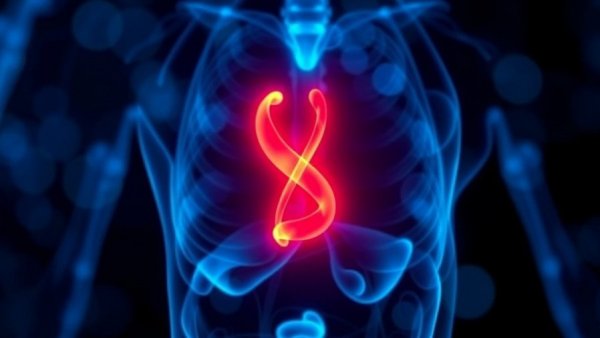
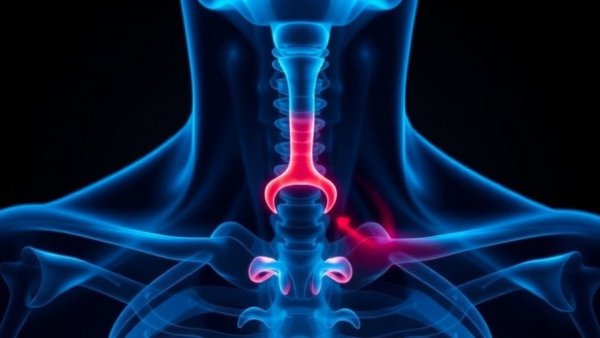
When this young man first presented to the emergency department, he experienced severe palpitations coupled with a brain freeze—two events thought to be merely coincidental until recent medical investigations suggested otherwise. Research indicates that intense cold can activate the vagus nerve, which may cause irregular heartbeats. This mechanism differs from that of brain freezes, which engage the trigeminal nerve—a nerve responsible for sensations in the face and motor functions such as biting and chewing. The complexity of this interaction is still being explored, but the link between cold beverages and heart conditions is gaining traction.
Voices From the Community: Patients Weigh In
After the initial case gained attention, many patients began sharing similar experiences with their healthcare providers, echoing the concerns that cold drinks set off their AFib episodes. In a 2020 essay, Dr. David Vinson revealed that he was inundated with accounts from around the globe, with many individuals feeling their concerns were dismissed by medical professionals. This has sparked advocacy for more awareness and understanding of cold-induced atrial fibrillation.
Statistical Insights: What Do The Numbers Say?
Drawing from recent studies, researchers at Kaiser Permanente found that nearly 1.2% of emergency department cardioversions were attributed to cold drinks. This suggests that the phenomenon, while rare, is far from isolated. Moreover, a 2025 survey involving 101 participants indicated that over half of the respondents reported their AFib episodes were closely linked to the consumption of cold drinks or food. The reports highlighted ice water, smoothies, and ice cream among the common culprits.
Practical Advice for Those Prone to AFib
For anyone who might experience these unsettling symptoms, moderation and caution with cold beverages could be a wise approach. Anecdotal evidence suggests that sipping slowly or avoiding specific icy foods and drinks might help mitigate risks. Maintain awareness of your body’s reactions, especially during hot weather when icy treats are often at their most tempting.
Raising Awareness for Cold-Induced Heart Conditions
The cases and studies surrounding cold-triggered atrial fibrillation underscore the need for increased awareness among both patients and healthcare professionals. As more people understand the possible ramifications of consuming cold drinks, proactive measures can be taken to avoid discomfort and health risks.
In light of these growing insights into the connection between cold drinks and heart rhythm disturbances, it’s vital to advocate for discussions with healthcare providers about personalized dietary and lifestyle choices. If you're someone who enjoys icy beverages, consider monitoring your heart's reactions and consult a doctor if you experience any sudden changes.



Write A Comment