
Add Row
Add Element
cropper
update
Pulse On Wellcare
update
Add Element
  • Home
  • Categories
    • Healthcare
    • Trends
    • Insights
    • Southwest
    • Strategies
    • Prevention
    • Lifestyle
    • Mental Health
    • Preventative Care
    • Nutrition & Meal Planning
    • Telemedicine Access
    • Workplace Wellness
    • Wellness Tips
  • Events
  • Healthy Aging
August 23.2025
2 Minutes Read

Exploring the Best First-Line Treatment for Advanced HCC: Atezolizumab Plus Bevacizumab Shines

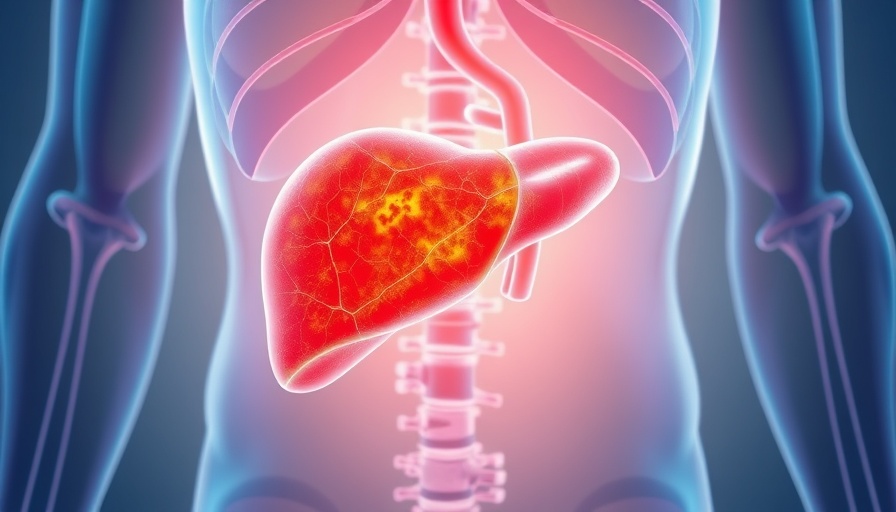
Digital illustration highlighting first-line treatment for advanced hepatocellular carcinoma.

Understanding Advanced Hepatocellular Carcinoma Treatments

Advanced hepatocellular carcinoma (HCC) is a challenging cancer that significantly impacts patients' quality of life and survival rates. In a recent meta-analysis, a network of studies comprising 6,425 participants showcased the evolution of first-line treatments since 2018, focusing on combinations of immune checkpoint inhibitors and their effectiveness.

Atezolizumab Plus Bevacizumab: Leading the Charge

According to the findings, the combination of atezolizumab and bevacizumab stands out as the most promising first-line treatment, demonstrating a high probability of delaying deterioration in various quality-of-life domains. This combination ranks highest for global health status, abdominal swelling, jaundice, and pain management, revolutionizing how HCC can be approached therapeutically.

Quality of Life Dimensions Matter

Quality of life (QoL) has become an increasingly critical component of evaluating cancer treatments. The study utilized comprehensive questionnaires to yield insights across six domains: global health status, physical functioning, fatigue, jaundice, pain, and abdominal swelling. Weighted scores, known as Surface Under the Cumulative Ranking (SUCRA), reflected how each treatment option performed, providing a more holistic view of patient well-being.

Comparative Performance of Treatments

While atezolizumab plus bevacizumab topped the charts, sintilimab plus IBI305 also demonstrated considerable promise, particularly concerning overall survival benefits. It showed strong rankings in reducing pain and fatigue, presenting healthcare providers with multiple effective options tailored to patient needs. Meanwhile, treatments like tislelizumab emerged as viable alternatives by preserving physical functioning, appealing to those prioritizing QoL.

The Implications of Choosing the Right Approach

As the treatment landscape continues to evolve, it becomes increasingly important for clinicians and patients to weigh the evidence carefully. The findings suggest prioritizing therapies that not only extend survival but also enhance patients' overall quality of living. This dual-focus approach is vital in improving patient satisfaction and treatment adherence.

Future Directions in HCC Treatment

The meta-analysis underscores a critical shift in cancer care: the integration of health-related quality of life metrics alongside standard survival outcomes. As researchers and healthcare professionals embrace this comprehensive perspective, they open doors to innovative treatment modalities that aspire to not only lengthen life but also enrich the quality of it.

In conclusion, as advanced HCC continues to pose substantial challenges, staying informed about the latest treatment options is essential. Patients and providers should collaborate closely to select approaches that align seamlessly with their health goals.

Strategies

29 Views

0 Comments

Write A Comment

*
*
Please complete the captcha to submit your comment.
Related Posts All Posts
04.08.2026

Discovering the Facts: Hormonal Contraception and IIH Risk Explained

Update Understanding the Link Between Hormonal Contraception and IIHRecent discussions around hormonal contraception (HC) have raised concern regarding its potential link to idiopathic intracranial hypertension (IIH), a disorder that involves increased pressure in the skull without a clear cause. This condition, which primarily affects women and can lead to severe headaches and even vision loss, has prompted researchers to investigate the role of HC in its prevalence.Recent Research FindingsA significant meta-analysis published this month in Neurology consolidates data from 13 observational studies, analyzing over 5,351 women with IIH against a control group of 669,260 women without the condition. The authors, led by Dr. Arun N.E. Sundaram from the University of Toronto, concluded that there is no significant association between HC use and the prevalence of IIH.This finding provides some reassurance for those concerned about the implications of hormonal contraception. The studies evaluated various forms of HC, including birth control pills, intrauterine devices (IUDs), and injectable contraceptives like medroxyprogesterone acetate. Despite fears that these methods could elevate the risk of IIH, data showed no meaningful correlation.The Importance of Data DiversityWhile the findings are promising, it is essential to recognize their limitations. Some of the included studies had small participant sizes and varied quality, suggesting that larger, more diverse studies are necessary to obtain conclusive results. As Dr. Sundaram pointed out, "health advice for people living with IIH has been inconsistent due to concerns about hormonal contraception. Our analysis can help clarify these concerns for patients and practitioners alike."Exploring Other Contributing FactorsObesity remains a significant risk factor for IIH. The condition predominantly affects women during their reproductive years, making it crucial for healthcare providers to guide patients in recognizing symptoms and understanding their risk profile based on holistic factors, including lifestyle and body weight, rather than solely focusing on contraception methods.The Broader Implications for Women’s HealthAccess to reliable contraception remains an integral part of women’s healthcare. Misperceptions regarding HC and its effects on conditions like IIH can lead to unnecessary alarm and could potentially discourage women from using effective contraceptive methods. As healthcare professionals and medical research evolve, clear and evidence-based communication is essential to empower women to make informed choices about their reproductive health.Conclusion: What This Means For YouAs recent studies indicate a lack of association between hormonal contraception and IIH, it not only provides reassurance but also highlights the importance of making informed healthcare decisions. If you're navigating choices related to hormonal contraception, consider having an open discussion with your healthcare provider. This will help ensure that your decisions are based on comprehensive insights into both your reproductive health and any existing conditions.

04.07.2026

Gotistobart Emerges as Leading Chemotherapy-Free Therapy for NSCLC

Update Gotistobart: A Promising New Treatment for Squamous NSCLC Recent clinical trial results have illuminated the potential of gotistobart, a novel chemotherapy-free treatment for non-small cell lung cancer (NSCLC). In phase 3 of the PRESERVE-003 trial presented at the 2026 European Lung Cancer Congress (ELCC), gotistobart, an anti-CTLA-4 antibody seemed to outperform traditional chemotherapy with docetaxel for patients who had previously undergone multiple lines of treatment, including anti-PD-1 and PD-L1 therapies. Importance of Targeted Immunotherapy Gotistobart operates by selectively targeting regulatory T cells within the tumor microenvironment, enhancing the immune system's ability to combat cancer while minimizing peripheral damage. According to Kai He, MD, the lead study author, this mechanism signifies a shift towards more precise and effective oncology therapies, aligning with contemporary demands for personalized medicine in treating challenging cancer types. As many patients with squamous NSCLC often have limited treatment options after conventional therapies fail, gotistobart represents an invaluable alternative. Comparative Effectiveness and Survival Metrics The findings from this trial showed that participants receiving gotistobart experienced a median overall survival (OS) that had not yet been reached within the 14.5-month follow-up, while the OS for those treated with docetaxel was reported at 9.95 months. The objective response rate (ORR) for gotistobart was 20%, compared to just 4.8% for docetaxel. Moreover, the duration of response favored gotistobart, with a median of 11 months compared to 3.8 months for docetaxel. Safety and Tolerability of Gotistobart Safety evaluations indicated that gotistobart’s profile remains manageable and generally consistent with expectations derived from earlier trials. While 42.2% of patients experienced serious adverse events, these were balanced with docetaxel’s 48.3%. Common side effects included gastrointestinal issues and infusion-related reactions but notably did not present new unexpected toxicities. This safety alignment supports the case for gotistobart's viability as a treatment option for NSCLC patients. Seek Further Insights into Cancer Treatment Trends The implications of this study stretch beyond numbers; they signify a potential pivot in cancer treatment paradigms. For patients with pretreated squamous NSCLC, gotistobart offers a chance for better outcomes and emphasizes the need for continued innovation in immunotherapy. As cancer treatment evolves, understanding these advancements can greatly inform patient options and decisions. Stay informed about the latest developments in oncology and consider engaging with your healthcare provider to discuss innovative treatments that may be suitable for you or your loved ones.

04.05.2026

New Alopecia Areata Treatments: How JAK Inhibitors Offer Hope

Update Groundbreaking Advances in Alopecia Areata Treatment Alopecia areata (AA), a chronic autoimmune condition that results in unpredictable hair loss, is increasingly being managed with innovative therapies. Recent advancements signal a new era for treatment, offering hope to the estimated 7 million Americans afflicted by this condition. Understanding Alopecia Areata AA is characterized by sudden hair loss, and though it is often perceived as a cosmetic concern, its psychological impact is significant. Many individuals experience anxiety, depression, and social withdrawal as they cope with sudden baldness, particularly during formative years in childhood and adolescence. Studies have shown that those suffering from AA often face higher rates of various comorbidities, complicating their overall health. Recent Innovations: JAK Inhibitors Leading the Charge The recent approval of several Janus kinase (JAK) inhibitors, including baricitinib and ritlecitinib, has transformed the treatment landscape for patients with severe AA. Baricitinib, known commercially as Olumiant, was the first FDA-approved treatment for this condition in June 2022. Following this, ritlecitinib, marketed under the name Litfulo, received approval in 2023, offering therapy specifically suitable for adolescents ages 12 and older, marking a significant breakthrough in addressing hair loss in younger patients. Clinical Trials and Efficacy Recent clinical trials for baricitinib showcased its efficacy, with a notable percentage of participants achieving a substantial improvement in hair regrowth after 36 weeks of treatment. Similarly, ritlecitinib demonstrated significant results in early studies, with patients reporting marked decreases in scalp hair loss. The JAK inhibitors are proving to effectively modulate the immune response responsible for hair loss, restoring growth with low absolute rates of adverse events observed in trials. The Future of Alopecia Areata Treatment As the medical community continues to explore and develop treatments for AA, there remains an emphasis on understanding the pathology of the disease to ensure every patient can achieve optimal results. Given the diverse responses to JAK inhibitors, future research aims to uncover additional therapeutic avenues to benefit all individuals suffering from AA. Conclusion: Taking Action The advancements in alopecia areata treatment not only signify hope but also underline the importance of addressing the psychological and social difficulties experienced by patients. With new therapies on the horizon, individuals affected by this condition can anticipate a future where treatment efficacy and accessibility are significantly enhanced. If you or someone you know is affected by alopecia areata, consult a healthcare provider to explore available treatment options that could lead to recovery. The journey toward normalcy and confidence is within reach for those grappling with AA, and timely access to treatment can make all the difference in their lives.

Terms of Service

Privacy Policy

Core Modal Title

Sorry, no results found

You Might Find These Articles Interesting

T
Please Check Your Email
We Will Be Following Up Shortly
*
*
*