
Add Row
Add Element
cropper
update
Pulse On Wellcare
update
Add Element
  • Home
  • Categories
    • Healthcare
    • Trends
    • Insights
    • Southwest
    • Strategies
    • Prevention
    • Lifestyle
    • Mental Health
    • Preventative Care
    • Nutrition & Meal Planning
    • Telemedicine Access
    • Workplace Wellness
    • Wellness Tips
  • Events
  • Healthy Aging
August 24.2025
2 Minutes Read

Enhancing Neonatal Outcomes Through Comprehensive APGAR Analysis and Telemedicine

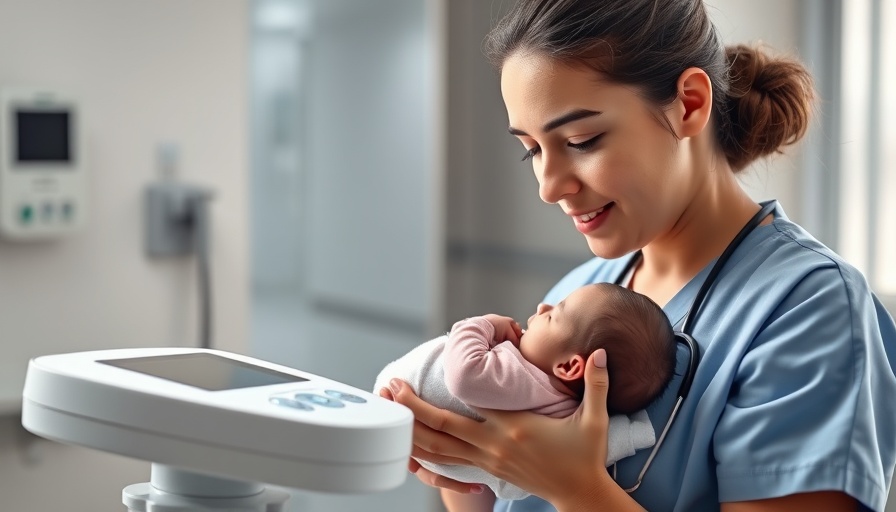
Newborn healthy examination enhancing neonatal outcomes with APGAR analysis

Understanding APGAR: More Than Just a Score

The APGAR scoring system is a tool that has been used since the 1950s to assess the health of newborns immediately after birth. It evaluates five criteria: Appearance, Pulse, Grimace response, Activity, and Respiration. While these scores have traditionally been vital indicators of a neonate's health, new research suggests that there is more to these scores than meets the eye. The recent study highlights the need to enhance neonatal outcomes through a more comprehensive understanding of these scores, rather than relying solely on numerical values.

Enhancing Neonatal Care Through Insight

This recently published research indicates that healthcare providers can improve neonatal care by examining the context behind the scores rather than just focusing on the numerical outcome. This understanding promotes a more holistic view of each infant’s condition, acknowledging those factors that contribute to overall health. By utilizing telemedicine platforms, healthcare providers can further enhance the care provided to newborns by maintaining better monitoring and communication with parents, ensuring no concerning signs are overlooked.

The Role of Telemedicine in Neonatal Health

Telemedicine has begun to play a crucial role in neonatal health management. It allows healthcare professionals to assess infants remotely, providing immediate feedback to parents while ensuring they are not overwhelmed during what can be a stressful time. This tool not only saves time but can also significantly improve outcomes for the newborn. For parents, knowing that they can reach out for support or advice without having to visit a clinic offers peace of mind.

Broader Implications for Newborn Care

As the study on APGAR scores suggests, focusing on individual health contexts rather than solely numerical assessments may pave the way for more tailored healthcare solutions. This could lead to customized care plans that recognize and target specific needs of each infant. Implementing strategies that prioritize personalized care, in conjunction with reliable monitoring, exemplifies the future potential of neonatal health.

Building a Better Future for Neonatal Healthcare

By enhancing the way APGAR scores are analyzed and shared among healthcare providers, we can improve neonatal outcomes. The ongoing evolution in approaches to care and the integration of technology like telemedicine highlight an important trend in healthcare — one that puts the newborns' unique needs at the heart of medical decisions. This offers a promising future for neonatal care that not only upholds but exceeds traditional standards.

In conclusion, understanding the full scope of what APGAR scores represent can lead to better care. The integration of telemedicine into neonatal health models fosters a responsive environment for new parents, providing them with necessary tools and support while ensuring health professionals can deliver informed decisions.

Telemedicine Access

1 Views

0 Comments

Write A Comment

*
*
Please complete the captcha to submit your comment.
Related Posts All Posts
04.07.2026

NTRUHS VC Issues Stern Warning Against Exam Malpractice for MBBS Students

Update Exam Malpractice: A Clear Warning for Future DoctorsThe academic path to becoming a doctor is undeniably rigorous, but the Vice-Chancellor of Dr. NTR University of Health Sciences (NTRUHS), Dr. P. Chandrasekhar, has raised the stakes even higher with a stern warning directed at MBBS students. Following a recent inspection at Kurnool Medical College, Dr. Chandrasekhar cautioned students that any form of cheating during their final year Part-II examinations could lead to immediate debarment from the medical program. This decisive action highlights the university's zero-tolerance policy towards exam malpractice.Monitoring and Support for StudentsIn an impressive move to uphold the integrity of the examination process, NTRUHS has instituted stringent monitoring measures. Special inspection teams have been deployed across various medical colleges to ensure transparency during examinations. Dr. Chandrasekhar noted that live webcasting is now utilized to keep a vigilant eye, aiming to deter any potential cheating. He further advised students to adequately prepare and take advantage of the resources available to them.Importance of Ethical Practices in MedicineCheating in medical exams is not just an academic offense; it poses real risks to patient safety and undermines the trust placed in future healthcare professionals. As the standards of medical education are continually being elevated, institutions like NTRUHS are committed to fostering a culture of integrity among their students. By emphasizing ethical practices, the university prepares them for the realities of a profession that demands transparency and reliability.Investing in the Future of MedicineBeyond just enforcing strict examination policies, NTRUHS is proactive in enhancing the overall educational experience. The university has launched initiatives to fund research, sports, and cultural activities—showcasing a holistic approach to student development. For example, affiliated government medical colleges will receive significant annual grants to improve their infrastructure and organize various tournaments. This emphasis on well-rounded education allows students to thrive academically while building vital skills for their future in healthcare.A Call to All Medical StudentsThe message from Dr. Chandrasekhar and NTRUHS is clear: maintain academic integrity, prepare thoroughly, and engage in the valuable programs offered at the university. As future doctors, stepping into practice requires a solid ethical foundation, and it all starts here in the classroom. How students respond to these expectations today will shape their careers and the trust they earn from their future patients.

04.06.2026

Dark Revelations: How Telegram Facilitated Kanpur’s Kidney Trafficking Racket

Update Dark Revelations of Kanpur's Kidney Trafficking RacketThe recent exposure of a kidney trafficking racket in Kanpur has alarmed health authorities and citizens alike. At the heart of this illicit scheme is a network of medical professionals and middlemen exploiting vulnerable individuals in need of financial assistance. Medical officers reported that kidneys were allegedly acquired at a price of around ₹10 lakh (approximately $13,000) and then sold to needy patients—many of whom were from foreign countries—for as much as ₹60 lakh (around $76,000). What came as a shock was that the whole operation was uncovered following a conflict over a mere ₹50,000.The Role of Technology: Telegram’s Dark SideAccording to investigations, modern technology has played a pivotal role in facilitating these unlawful transactions. Encrypted messaging services such as Telegram were used by traffickers to promote illicit organ sales discreetly. The use of such platforms allowed those involved to maintain anonymity while luring financially desperate individuals into a perilous arrangement.The Inciting Incident: A Student's Call for HelpThe windfall began with Ayush, an MBA student from Bihar, who initially hoped to turn a financial corner by selling one of his kidneys for ₹10 lakh. Yet, after only receiving ₹9.5 lakh, Ayush felt cheated and reported the matter to the police. Alarmingly, his story is not unique; it exposes how reduced economic opportunities lead individuals to desperate measures, making them easy targets for exploitative traffickers.A Network of Illegal OperationsSubsequent investigations revealed that this kidney racket transcended Kanpur, impacting nearby cities and potentially even reaching international borders to locations like Nepal. Over a dozen illegal transplants have been linked to this network, giving rise to serious concerns about public health and safety in volatile medical practices.Regulatory Actions and Awareness InitiativesIn light of these revelations, local health authorities are triggered to act. Facilities implicated in these operations have begun to face scrutiny and may have their hospital licenses revoked. Regulatory officials emphasize the need for stricter oversight and regulations surrounding organ transplants to prevent future occurrences of such inhumane practices.What You Can Do: Stay InformedThe exposure of this kidney racket calls for community awareness and vigilance. It’s crucial for individuals to be educated about the risks associated with both buying and selling organs illegally. Discussions about organ donation, ethical practices, and alternative solutions for those in financial need can catalyze change.

04.05.2026

Exploring Drug Advertisement Proposals: Why Chemists Say No

Update Understanding the Opposition to New Drug Proposals The All India Organisation of Chemists and Druggists (AIOCD) has voiced strong opposition to several proposals put forth by the Drug Technical Advisory Board (DTAB) regarding drug advertisements and the sale of nicotine gum. Their concerns reflect a dedication to public health and a commitment to maintaining ethical practices within the pharmaceutical industry. Public Health and Safety at Stake The AIOCD presented its arguments during the 93rd DTAB meeting held on February 16, 2026. There is a significant emphasis on public health, with the AIOCD warning that allowing advertisements for prescription-only medicines could lead to self-medication and misuse. Notably, concerns surrounding nicotine gum also highlight the addictive nature of nicotine, emphasizing a need for regulatory caution. The potential for unregulated sales via e-pharmacies further complicates the landscape, suggesting that patient safety could be jeopardized without stringent oversight. The Risks of E-Pharmacy In their submission, the AIOCD condemned the increasing prevalence of illegal e-pharmacies, positing that they pose considerable risks to public health. E-pharmacies, which often operate without valid licenses as per the Drugs and Cosmetics Act, not only threaten the integrity of traditional licensed chemists but also create an environment conducive to unsafe drug distribution. The AIOCD emphasized that public health should always be the paramount consideration, advocating for regulatory clarity to curb this issue. A Call for Regulated Trade Amid the concerns, the AIOCD is supportive of implementing Good Distribution Practices (GDP) to strengthen the drug distribution system and ensure medicines meet safety standards. While endorsing structured guidelines, the organization insists on a phased implementation to alleviate the compliance burden on smaller enterprises, thereby ensuring equitable practices across the industry. What This Means for Consumers For consumers, these discussions translate into a desire for safety, quality, and assurance that the medicines they use are not only effective but also prescribed responsibly. The push against the commercialization of drugs underscores the necessity for informed usage rather than excitement over advertisements. Looking to the Future: What’s Next? As this dialogue unfolds, the implications for policies surrounding telemedicine and the integration of technology in healthcare continue to evolve. Addressing the legality and regulation of telemedicine practices could become crucial as they intersect with prescription medicine distribution. Ultimately, any changes made must prioritize patient health and ethical standards within the pharmaceutical industry.

Terms of Service

Privacy Policy

Core Modal Title

Sorry, no results found

You Might Find These Articles Interesting

T
Please Check Your Email
We Will Be Following Up Shortly
*
*
*