

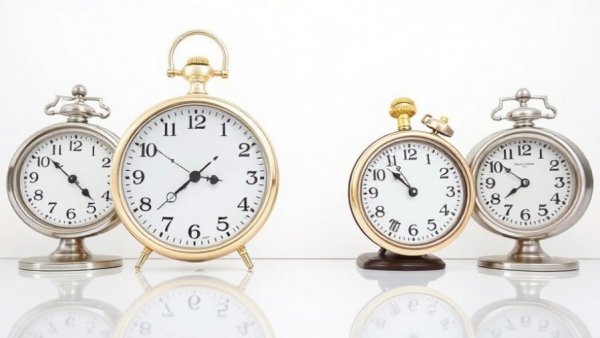
The Intricate Dance of Timekeeping
Clocks are much more than mere devices that tell us the time; they are fascinating instruments intricately designed to measure the progression of moments in our daily lives. From the humble ticking of a mechanical clock to the precise operations of an atomic clock, these devices symbolize our structured approach to timekeeping. While the mechanics may differ, the fundamental purpose remains the same: converting the relentless passage of time into digestible units that we can relate to and organize our lives around.
Understanding the Science Behind Time Measurement
Clocks often utilize a repeating process to maintain their accuracy. Mechanical clocks harness regulated movements to transmit energy, while quartz clocks rely on the stable oscillation of quartz crystals. Interestingly, the display can vary significantly from the inner workings of the timepiece. An analog clock with moving hands conveys time in a traditional manner, while digital displays provide a numerical representation—each method reflecting different technological advancements yet serving the same core function.
The Societal Impact of Keeping Time
The significance of timekeeping extends beyond personal schedules; it helps shape our social fabric. Establishing shared moments allows us to coordinate activities—be it meetings at work or gatherings with friends. Effective time management can enhance our well-being, making everything from work-life balance to stress reduction attainable. When we think about how society collectively measures time, we begin to understand its profound implications on wellness and productivity.
Clocks as a Reflection of Everyday Life
Today's clocks go beyond their functionality; they represent our lifestyles and choices. The design and readability of a clock can influence how we engage with our daily routines. For example, minimalist digital clocks may cater to those fond of simplicity, whereas ornate mechanical clocks might attract those who appreciate craftsmanship. Each choice reveals a unique perspective on how we value time and manage our day-to-day activities, ultimately fostering our connection to wellness and productivity.
Practical Tips for Mindful Time Management
In a world that often feels rushed, incorporating mindful time management can greatly enhance overall well-being. Here are a few practical tips: 1) Set specific time frames for work tasks and personal activities to avoid burnout. 2) Use timers or alarms to remind you to take breaks for mindfulness practices, stretching, or relaxation. 3) Adjust your clock settings when traveling to stay aligned with local times and minimize jet lag, fostering a healthier transition.
Embrace the Moments
Clocks are not just instruments for measuring time; they are links to our activities and a representation of how we perceive our lives. The next time you glance at a clock, remember that it’s not just about keeping time—it's about how that time helps you coordinate your day, achieve your goals, and ultimately improve your wellness. Make conscious choices about your relationship with time, and you may discover powerful ways to enhance your quality of life.





Write A Comment