
Add Row
Add Element
cropper
update
Pulse On Wellcare
update
Add Element
  • Home
  • Categories
    • Healthcare
    • Trends
    • Insights
    • Southwest
    • Strategies
    • Prevention
    • Lifestyle
    • Mental Health
    • Preventative Care
    • Nutrition & Meal Planning
    • Telemedicine Access
    • Workplace Wellness
    • Wellness Tips
  • Events
  • Healthy Aging
June 23.2025
3 Minutes Read

Discover How Amyl Guard Can Be Your Unique Weight Loss Carb Blocker

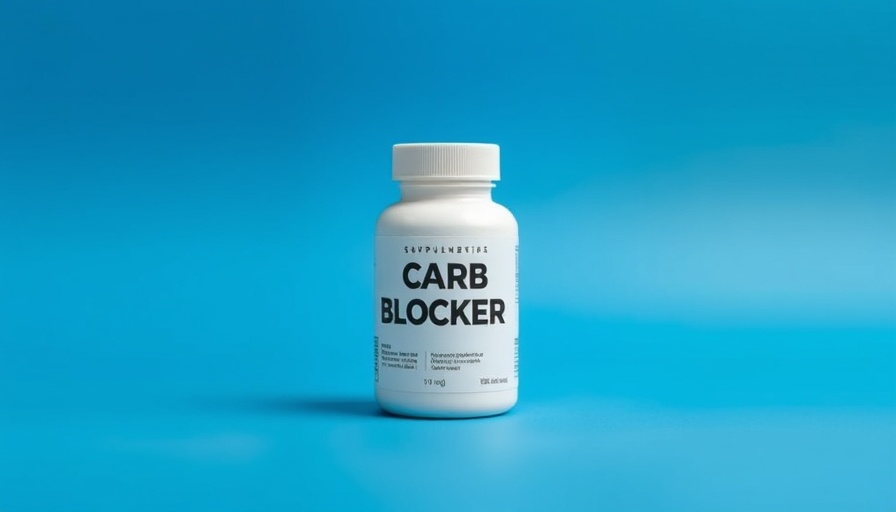
Carb blocker supplement bottle for weight loss.

Unlocking the Power of Amyl Guard: The Natural Carb Blocker You Need

In today’s health-conscious world, finding effective weight loss solutions can be a daunting task. With various options ranging from extreme diets to grueling workout regimens, people often feel overwhelmed. However, Amyl Guard shines as a beacon of hope among these myriad choices. This innovative weight loss supplement claims to help users achieve their weight loss goals naturally by using the power of a little-known digestive enzyme called amylase.

What is Amyl Guard?

Amyl Guard is a weight loss supplement crafted from 100% natural ingredients designed to aid in the weight loss process by acting as a carb blocker. Its unique formulation works by inhibiting amylase, the enzyme responsible for breaking down carbohydrates, which in turn means less fat storage. Developed by Lauren, a nurse who was inspired by her daughter's struggles with weight loss, this supplement offers a more relatable and achievable solution for everyday people.

Understanding Amylase: The Key to Effective Weight Loss

Amylase is a digestive enzyme produced in the salivary glands and pancreas that initiates the process of breaking down carbohydrates in our food. The excess production of amylase in our bodies can lead to fat storage, especially as we age. This is where Amyl Guard takes the spotlight – by managing amylase levels effectively, it allows the body to utilize fat as an energy source rather than storing it, thereby supporting healthy weight loss.

The Science Behind Amyl Guard’s Ingredients

The effectiveness of Amyl Guard comes from its carefully selected ingredients, which each play a crucial role in enhancing the body’s metabolic functions. Let’s explore the main components:

  • White Kidney Bean: Known for its ability to block carbohydrate absorption, white kidney bean extract prevents starches from being converted into sugar.
  • Bitter Melon Extract: This ingredient is recognized for its ability to help regulate blood sugar levels, which is essential for maintaining a healthy metabolism.
  • Chromium Picolinate: It aids in enhancing the action of insulin and decreases food cravings, making it easier to adhere to diet plans.
  • Berberine: Often used in traditional medicine, berberine has been shown to support fat loss and improve metabolic health.

The Unique Value of Amyl Guard

Amyl Guard offers a unique value proposition unlike many other weight loss products. Rather than demanding rigorous diet or exercise regimens, it aligns with the busy lifestyles that many people lead today. The holistic approach of managing carbohydrate conversion makes this supplement appealing to those who have tried multiple methods without success.

Future Trends in Weight Loss Solutions

The landscape of weight loss is evolving. As people increasingly seek natural and holistic methods, supplements like Amyl Guard are gaining prominence. As we look to the future, the emphasis will likely shift towards health without sacrifice, encouraging a more balanced approach to weight management. This aligns with the broader wellness trend aimed at fostering well-being in both body and mind.

Final Thoughts on Amyl Guard

Ultimately, Amyl Guard represents a blend of science, care, and personal experience directed towards helping people achieve their weight loss goals. By understanding how it works, what it contains, and its potential benefits, users can make informed decisions regarding their health journey.

If you’re ready to explore a natural solution for weight management, it’s time to consider Amyl Guard!

Preventative Care

0 Comments

Write A Comment

*
*
Related Posts All Posts
02.19.2026

Unlocking the Health Benefits of Gelatin: Beyond Jell-O's Jiggle

Update The Unconventional Appeal of Gelatin Treats Jell-O, an iconic dessert known for its jiggly texture, has a long history that dates back to 1897. While many may associate it with children's parties or hospital trays, its allure stretches beyond nostalgia. Health-conscious individuals are beginning to rediscover gelatin, the primary ingredient in Jell-O, as a food that can positively impact their wellness. Understanding Gelatin: A Protein Powerhouse Gelatin is derived from collagen, a protein found in the connective tissues of animals. When boiled down, it transforms into a substance that can gel, giving Jell-O its distinctive wobble. Beyond Jell-O, gelatin is being recognized for its potential health benefits. According to experts, it may improve skin elasticity, gut health, and even support bone strength. The Health Benefits of Gelatin in Your Diet While many view gelatin as just a dessert component, research suggests it offers several health benefits: Enhances Skin Health: The collagen in gelatin may help improve skin hydration and elasticity, potentially slowing down the aging process. Supports Gut Function: Gelatin may help with digestive issues by promoting a healthy gut lining, which could be beneficial for individuals with gastrointestinal disorders. Promotes Joint and Bone Health: Regular consumption may aid in maintaining bone density and joint integrity, making it a valuable addition for those active in sports or recovering from injuries. Risks and Considerations Despite its benefits, gelatin consumption should be approached with caution. Too much gelatin can lead to side effects, including gastrointestinal discomfort. Furthermore, since gelatin typically comes from animal sources, those on vegan or vegetarian diets should seek plant-based alternatives such as agar-agar or pectin. A New Perspective on an Old Favorite As the world of health and nutrition evolves, it's essential to update our perspectives on traditional foods like Jell-O. By making gelatin desserts at home, individuals can control the ingredients, cutting out excessive sugars and artificial additives. With a dash of creativity, Jell-O can transform from a sugary indulgence into a nutritious treat. Conclusion: Rediscovering Gelatin's Value As we embrace healthier lifestyle choices, recognizing the potential benefits of gelatin-rich foods like Jell-O could provide a delicious route to enhancing overall wellness. Empower yourself with knowledge about your food choices by trying homemade gelatin recipes that cater to your dietary preferences. Dive into the world of gelatin today and enjoy both its taste and health benefits!

02.19.2026

Discover the Health Benefits of Alfalfa Sprouts for Your Wellness

Update Unlocking the Benefits of Alfalfa: A Nutritional Powerhouse When we think of health-conscious eating, alfalfa may not be the first herb that comes to mind. Often recognized as livestock feed, alfalfa is increasingly being celebrated for its impressive health benefits for humans as well. Originating from South and Central Asia, this versatile herb is not just a staple in animal dieting but a valuable addition to our diets as well. Why Alfalfa Sprouts Should Be Part of Your Diet Rich in nutrients, alfalfa sprouts are low in calories, with a cup of sprouts offering just 8 calories. Despite their low calorie count, alfalfa sprouts are packed with health-promoting nutrients, including vitamin C, vitamin K, magnesium, and minerals like iron and copper. What makes alfalfa particularly fascinating is its collection of bioactive compounds, including saponins and phytoestrogens, both of which have been shown to provide various health benefits. Heart Health Improvement: A Long-Studied Benefit Research shows that alfalfa can significantly improve heart health. Specifically, its saponins have been shown to reduce bad cholesterol (LDL) and triglycerides while raising good cholesterol (HDL), thanks to their ability to inhibit cholesterol absorption and promote excretion. This cholesterol-lowering capability makes alfalfa sprouts an enticing option for those managing heart health. Supporting Hormonal Balance Naturally The natural phytoestrogens present in alfalfa can aid in regulating hormone levels, which is particularly useful during menopause. Studies indicate that these compounds can help alleviate symptoms like hot flashes and maintain hormonal equilibrium during this transitional phase, providing a natural alternative to traditional treatments. Practical Ways to Incorporate Alfalfa Into Your Meals Adding alfalfa to your diet could not be easier. These sprouts can be effortlessly tossed into salads, blended into smoothies, or used as a crunchy topping on sandwiches. For the adventurous, you can even grow your own at home: Soak 2 tablespoons of alfalfa seeds in water for about 8 hours. Drain, rinse, and place them in a sprouting jar, rinsing them every 8-12 hours until they sprout, usually in about 5-6 days. Enjoy your fresh sprouts in various dishes! Potential Risks to Consider While alfalfa's health benefits are impressive, it's important to be aware of any associated risks. For pregnant women, those on blood thinners, or individuals with autoimmune conditions, alfalfa should be approached with caution due to possible adverse effects. Consulting with a healthcare professional is advisable before incorporating it into your diet. Final Thoughts: Embrace Alfalfa for a Healthier Lifestyle Alfalfa sprouts are not just a health trend but a nutritious addition to your dietary lineup, offering notable benefits for heart health, hormone regulation, and digestive wellness. So next time you're at the grocery store, consider picking up a pack of these tiny but mighty sprouts and discover how they can enhance your regular meals.

02.19.2026

Understanding Emotional Eating: How Stress Fuels Food Cravings

Update Understanding Emotional Eating: More Than Just Food Emotional eating is a common behavior, characterized by turning to food in times of stress or emotional distress. It’s more than a simple craving for snacks; it involves complex feelings that often arise from stress, sadness, or even boredom. Feeling overwhelmed after a long day at work? You might reach for that pint of ice cream. This response highlights the psychological connection between our emotions and our eating habits. The Science Behind Stress Eating Stress can significantly alter our eating habits. As noted in research from both HelpGuide.org and Harvard Health, high stress levels activate our bodies' fight-or-flight response, initially suppressing appetite. However, prolonged stress leads to an increase in cortisol levels—a hormone that can boost appetite and cravings for high-fat, sugary foods. This physiological response can make emotional eating feel irresistible. Linking Emotions to Food Choices Emotional eaters often crave specific 'comfort foods' that provide quick emotional relief, such as cakes or chips, rather than opting for well-rounded meals. This behavior shifts the focus from true physical hunger, which builds gradually and is satisfied with various foods, to emotional hunger that demands immediate gratification and often results in mindless eating. Breaking the Cycle of Emotional Eating Recognizing triggers is essential in combating emotional eating. It can stem from various sources, including stress, boredom, social influences, or childhood habits of rewarding or comforting oneself with food. It's vital to maintain a diary to capture moods and food intake—pattern recognition can be your first step toward change. Reflecting on emotions, and finding alternative coping strategies, such as engaging in a hobby or connecting with friends, can significantly reduce reliance on food for emotional relief. Alternative Strategies for Emotional Well-Being There are various practical strategies one can implement to avoid emotional eating. For instance, mindfulness techniques can cultivate heightened awareness of emotions and how they influence eating decisions. When cravings hit, pausing to evaluate emotional states can divert attention away from food. Engaging in physical activities, meditation, or even simply journaling can provide healthier outlets for emotional release. Conclusion While emotional eating is a prevalent issue among many, it’s crucial for health-conscious individuals to understand the root causes behind their eating habits. Recognizing emotional triggers, seeking healthier coping mechanisms, and practicing mindfulness can empower individuals to reclaim control over their eating habits, ultimately leading to a more balanced and fulfilling lifestyle. As you navigate your relationship with food, remember that it's okay to seek help and support when needed.

Terms of Service

Privacy Policy

Core Modal Title

Sorry, no results found

You Might Find These Articles Interesting

T
Please Check Your Email
We Will Be Following Up Shortly
*
*
*