
Add Row
Add Element
cropper
update
Pulse On Wellcare
update
Add Element
  • Home
  • Categories
    • Healthcare
    • Trends
    • Insights
    • Southwest
    • Strategies
    • Prevention
    • Lifestyle
    • Mental Health
    • Preventative Care
    • Nutrition & Meal Planning
    • Telemedicine Access
    • Workplace Wellness
    • Wellness Tips
  • Events
  • Healthy Aging
July 03.2025
2 Minutes Read

Anticipating NEET 2025: Cutoffs for Karnataka's MBBS Aspirants

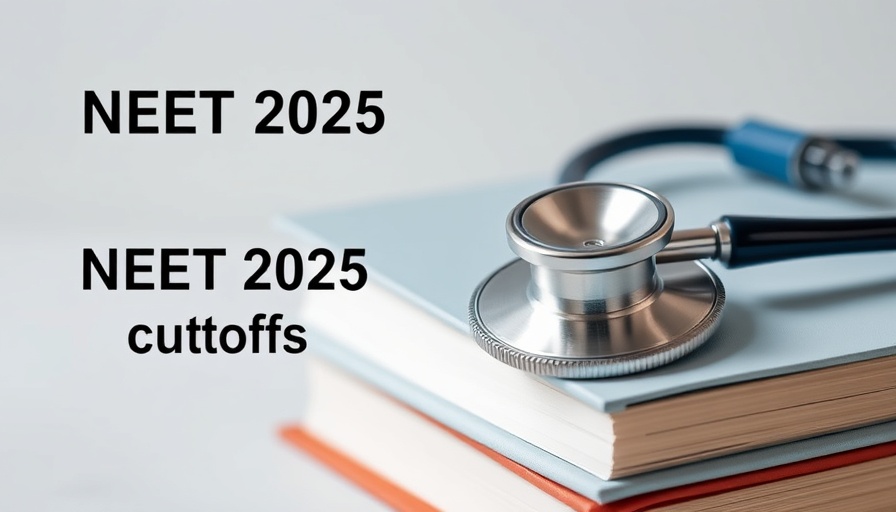
Stethoscope on books representing MBBS cutoffs Karnataka 2025.

The Importance of NEET Scores for Future Doctors in Karnataka

The National Eligibility cum Entrance Test (NEET) is a pivotal moment for aspiring medical students in India, acting as the gateway to esteemed medical colleges across the country. For those specifically eyeing government medical colleges in Karnataka, understanding the expected cutoffs for MBBS courses in 2025 is essential for mapping out their academic future. Let’s dive into the expected cutoffs and what they entail.

Expected Cutoffs: What to Anticipate

According to various educational experts and previous trends, the anticipated cutoffs for MBBS programs in Karnataka’s government medical colleges may see fluctuations due to a variety of factors, including the number of applicants and the complexities of NEET 2025. Historically, colleges such as Bangalore Medical College and Research Institute and Mysore Medical College have shown a competitive landscape, often requiring scores in the range of 550-600 for top placements.

Factors Influencing MBBS Cutoffs in Karnataka

The expected cutoffs are influenced by several vital elements. The increasing popularity of the medical profession and the limited number of seats in reputed government colleges contribute significantly to rising cutoff marks. Moreover, factors such as prior years’ performance, the overall difficulty level of the exam, and the medical council’s review of admission policies also play notable roles. Understanding these dynamics helps aspiring students and their families prepare effectively.

Making Informed Decisions for Medical Aspirants

As students gear up for NEET, possessing knowledge about the cutoffs can empower them to set realistic targets. Engaging in regular mock tests, accessing telemedicine platforms for health management during exam preparations, and connecting with prior successful candidates for insights can be instrumental. Moreover, tailoring a study plan that covers all subjects thoroughly while prioritizing well-being is essential. A balanced approach towards preparation not only sharpens their academic skills but also promotes mental health.

Steps Towards Successful Preparation

To excel in NEET 2025, whether aiming for a government college in Karnataka or otherwise, students should follow a structured preparation strategy:

  • Understand the Syllabus: Familiarize yourself with the NEET syllabus to ensure no essential topic is overlooked.
  • Utilize Online Resources: Websites and apps offer tailored study material and interactive learning opportunities.
  • Join a Study Group: Collaborating with peers can provide motivation and facilitate information exchange.
  • Maintain Mental Health: Engage in relaxation techniques and schedule regular breaks to sustain focus.

These strategies, combined with an awareness of the expected MBBS cutoffs, will help illuminate a pathway toward achieving one’s dream of becoming a physician.

Remaining informed and proactive is paramount for aspiring medical students. Navigating NEET's competitive landscape requires diligence, strategy, and a well-rounded approach to health and education. Let’s prepare to seize these opportunities!

Telemedicine Access

Write A Comment

*
*
Related Posts All Posts
12.12.2025

Karnataka Minister Takes Action Against Unnecessary C-Section Practices

Update The Warning from Karnataka’s Health Minister Karnataka's Health and Family Welfare Minister, Dinesh Gundu Rao, has recently taken a stand against private hospitals that perform unnecessary caesarean sections for monetary gain. During a session in the Legislative Council, he stated that hospitals found guilty would face penalties of up to ₹50,000 or even risk having their registration revoked under the Karnataka Private Medical Establishment (KPME) Act. This declaration underscores growing concerns regarding the motivations behind medical interventions, particularly in the context of childbirth. Unpacking Unnecessary C-Sections While no specific hospitals have yet been accused of performing unwarranted C-sections, the minister emphasized the importance of adhering to ethical medical practices. He mentioned that no complaints have been received so far from the public, reflecting the need for vigilant oversight and transparent reporting from healthcare providers. This proactive stance is essential as some regions across the country face similar issues where caesarean deliveries are performed more frequently than warranted. Comparative Insights from Other States Interestingly, Karnataka is not alone in this battle. Health Ministers in other states, like Telangana’s C. Damodar Raja Narasimha, have similarly highlighted the necessity of promoting normal deliveries. The Telangana government is considering measures to enforce stricter audits and enhance training for midwives, showcasing a model of intervention that could prove beneficial for Karnataka as well. Crucial Questions for Expecting Mothers and Families This situation raises vital questions for expectant mothers and their families: How can they ensure that they receive proper care without unnecessary interventions? Awareness campaigns regarding the benefits of natural births and the potential risks associated with elective C-sections could empower families to make informed decisions. Educating women during their antenatal care can play a significant role in decreasing the rates of unnecessary procedures. Taking Action Towards Better Healthcare This recent government action not only reflects a significant step towards ensuring ethical medical practices but also exemplifies the growing recognition of patient rights in healthcare. Initiatives like the KPME Act promote transparency and accountability, which are critical in safeguarding against malpractice in the medical field. All stakeholders in healthcare continue to face the challenge of balancing the business aspect of healthcare while prioritizing patient welfare. It's crucial that communities remain engaged and informed to foster a healthier environment. Together, we can challenge and change harmful practices while supporting equitable, patient-centered healthcare. If you're someone who is passionate about healthcare equity or has thoughts on this pressing issue, join the conversation in your community!

12.11.2025

How the Death of a 77-Year-Old Patient Sparked Community Violence

Update The Incident That Shook a CommunityIn a troubling turn of events, the death of a 77-year-old patient at Sahyadri Hospital has incited violence among his family members, leading to stone pelting and unrest. This incident serves as a stark reminder of the intense emotions surrounding healthcare, especially when families are faced with the grief of losing a loved one. Witnesses described scenes of chaos as distraught relatives clashed with hospital staff, heightening tensions and drawing attention to issues that resonate deeply within our communities.Grief and Anger: The Human Side of HealthcareThe connection between patients and healthcare providers is deeply personal. When patients undergo treatment, families hold onto hope, trusting that medical professionals will do all they can to save their loved ones. The death of a beloved elder can shatter this trust, transforming sorrow into fury. This tragic event at Sahyadri Hospital is not merely about a loss; it reflects a broader issue within healthcare, where families feel helpless and desperate in the face of mortality.Understanding the Underlying IssuesThis incident prompts us to consider the systemic challenges in healthcare that often lead to such emotional outbursts. The strain is especially felt in crowded urban hospitals, where resources may be stretched too thin. Families may not receive timely updates about a patient's condition, leading to misunderstandings and frustration. Improving communication between healthcare providers and families is critical in mitigating such situations, ensuring families feel supported even in the toughest times.Remembering the Impact of TelemedicineWith technology evolving rapidly, telemedicine offers a new avenue for keeping families informed and involved in patient care. By providing virtual consultations and updates, healthcare professionals can reduce fears and anxieties that often accompany traditional hospital visits. Emphasizing the importance of telemedicine in our current healthcare landscape, healthcare facilities must invest in these technologies to foster a transparent and compassionate environment for families.A Call for Compassionate Care and Improved CommunicationAs communities navigate the complexities of healthcare, incidents like the one at Sahyadri Hospital remind us of the crucial need for compassion in care. Strengthening communication protocols can create a healthier relationship between families and medical professionals, ultimately paving the way for transparency and trust. By prioritizing the emotional needs of patients and their families, we can help prevent future tragedies and create a more supportive healthcare system.Moving Forward: A Community’s Role in HealingIt's essential for community members to come together during times of crisis. Conversations about healthcare experiences, shared grief, and anger can foster understanding and drive change. This incident is a call to action not just for healthcare providers, but for the entire community, urging us to advocate for better practices that honor the lives and experiences of our elders. We can take practical steps toward ensuring our pharmacies, hospitals, and care centers are equipped to handle families’ emotional needs with dedication and care.As this story unfolds, let us remind ourselves of the strength in our community. By working together, engaging in meaningful conversations about health, and advocating for compassionate care, we can build a brighter, more understanding future for all our healthcare heroes and the loved ones who depend on them.

12.10.2025

Why You Should Care About Unqualified Aesthetic Practitioners

Update The Alarming Truth About Unqualified Aesthetic Practitioners The conversation surrounding aesthetic medicine is shifting as it becomes more prevalent in society. Recently, the National Medical Commission reported a surprising lack of claims regarding unqualified individuals performing aesthetic procedures. This declaration raises eyebrows among health professionals and consumers alike, especially considering the inherent dangers in this growing industry. The Risks of Cosmetic Procedures by Unqualified Individuals Aesthetic treatments, while popular, can turn perilous when performed by untrained practitioners. According to experts, complications such as infections, allergic reactions, and permanent disfigurement are not just possibilities—they are real consequences of a lack of regulation. Reports from Health & Aesthetics illustrate how non-medical professionals might overlook critical details such as proper technique, product safety, and patient aftercare. With potential outcomes ranging from minor complications to severe health risks, entrusting one’s well-being to an untrained individual is a gamble. Consumer Awareness: Navigating Aesthetic Procedures Safely As the market for aesthetic procedures expands, so does the necessity for informed choice. Consumers must take an active role in ensuring their safety. This involves verifying the credentials of practitioners and recognizing red flags, such as unusually low prices or unprofessional environments. Dr. Rekha Tailor emphasizes the importance of thorough research; individuals should seek practitioners with proper medical qualifications and experience specifically in aesthetic treatments. Long-Term Consequences of Cosmetic Mistakes The ramifications of receiving subpar aesthetic treatments can be devastating. Patients have reported cases where unqualified individuals caused irreversible damage, sometimes leading to emergency interventions for serious infections. The experience of these individuals reveals the critical importance of choosing qualified professionals, not just for the immediate results, but for long-term health and safety. Why Regulatory Oversight Matters The absence of rigorous regulations in the aesthetic industry means anyone can offer these services, putting patients at risk. Experts argue that systemic changes are necessary to protect consumers. Regulations ensuring only qualified practitioners can perform these procedures would not only uphold safety standards but also help build trust in the industry. Empowering Patients Through Education Education is integral to navigating the complex landscape of aesthetic medicine. Resources such as workshops and informational campaigns are pivotal in increasing awareness around the qualifications necessary for cosmetic practitioners. By staying informed, patients can make better choices and significantly reduce the risks associated with unqualified treatments. Choose Wisely: Prioritize Safety As cosmetic advancements continue to shape personal beauty choices, it’s essential to prioritize safety and efficacy. Engaging with qualified professionals who utilize approved products ensures that patients receive treatments that not only enhance their appearance but also safeguard their health. Templates for safety in aesthetic medicine are paramount and consumers should insist on them. No matter the allure of a quick cosmetic fix, the priority must always be the safety and health of the individual. As demand for aesthetic procedures rises, so does the responsibility of consumers to make informed choices. Stay informed, ask questions, and choose practitioners with care!

Terms of Service

Privacy Policy

Core Modal Title

Sorry, no results found

You Might Find These Articles Interesting

T
Please Check Your Email
We Will Be Following Up Shortly
*
*
*